Featured Articles
- 10 Transformative Elements for Revitalizing Your Bed and Bath Decor with a Touch of Global Inspiration
- 12 Timeless Techniques to Harmonize Bed and Bath Decor with Sustainable Materials and Personal Touches for Lasting Appeal
- 7 Unusual Accessories to Elevate Your Bed and Bath Decor with Unexpected Charm and Practicality
- 9 Unconventional Fabrics to Reinvent Your Bed and Bath Decor with Luxurious Texture and Bold Patterns for a Unique Style
- "Dive into Vintage Vibes: The Surging Popularity of Retro Bath Decor for Modern Sanctuaries"
Exploring the Rise of Biophilic Design: Transform Your Bedroom and Bathroom into Lush Indoor Retreats
Exploring the Rise of Biophilic Design: Transform Your Bedroom and Bathroom into Lush Indoor Retreats
The rise of biophilic design is reshaping our indoor spaces, transforming bedrooms and bathrooms into lush retreats that nurture our connection with nature. By incorporating natural elements, sustainable materials, and an abundance of greenery, these areas can become harmonious sanctuaries for relaxation and rejuvenation.
What is Biophilic Design?
At its core, biophilic design refers to the practice of incorporating natural elements into our built environments, promoting well-being and emotional connection. The term "biophilia," coined by psychologist Erich Fromm in the 1970s, suggests that humans have an innate urge to connect with nature. Imagine waking up in a room that feels like a forest, with soft light filtering through leaves and the gentle sounds of nature surrounding you. It’s not just a fantasy; it’s the promise of biophilic design.
The Psychological Benefits
Research conducted by the Human Spaces report reveals that natural elements in design can boost creativity by 15% and well-being by 6%. These statistics are significant because they underline the profound impact that our surroundings have on our mental state. A bedroom adorned with plants or natural light can help reduce stress levels and promote a more restful sleep, ultimately setting the tone for a productive day ahead.
Why Bedrooms and Bathrooms? A Personal Reflection
As a 24-year-old aspiring designer, I’ve always been fascinated by the way spaces influence our moods and behaviors. Personally, I’ve transformed my compact bedroom into a biophilic retreat by adding plants, choosing earthy tones for my bedding, and including natural textures like linen and wood. Not only does it look stunning, but I also feel calmer and more inspired when I’m there.
Transforming Your Bedroom
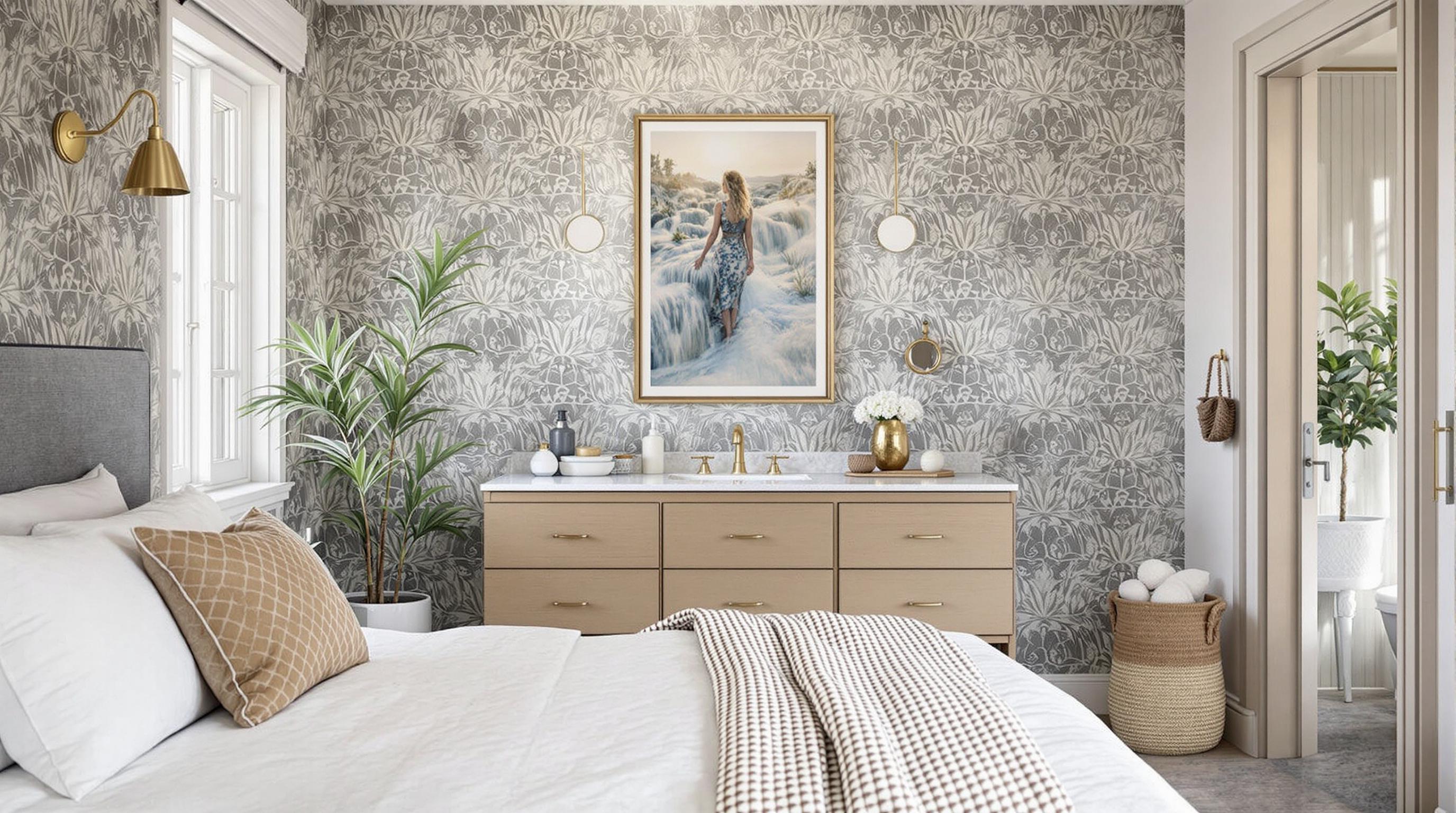
One of the easiest yet effective ways to infuse biophilic design into your bedroom is through the introduction of plants. Consider low-maintenance plants like snake plants or pothos, which thrive indoors while purifying the air—a gentle reminder that nature can coexist with urban living. You can take this a step further by creating a vertical garden on your wall or using terrarium jars on your bedside tables. According to a study by the American Society of Landscape Architects, “being in natural environments can significantly reduce feelings of anger, stress, and fear.”
Natural Lighting and Color Palette
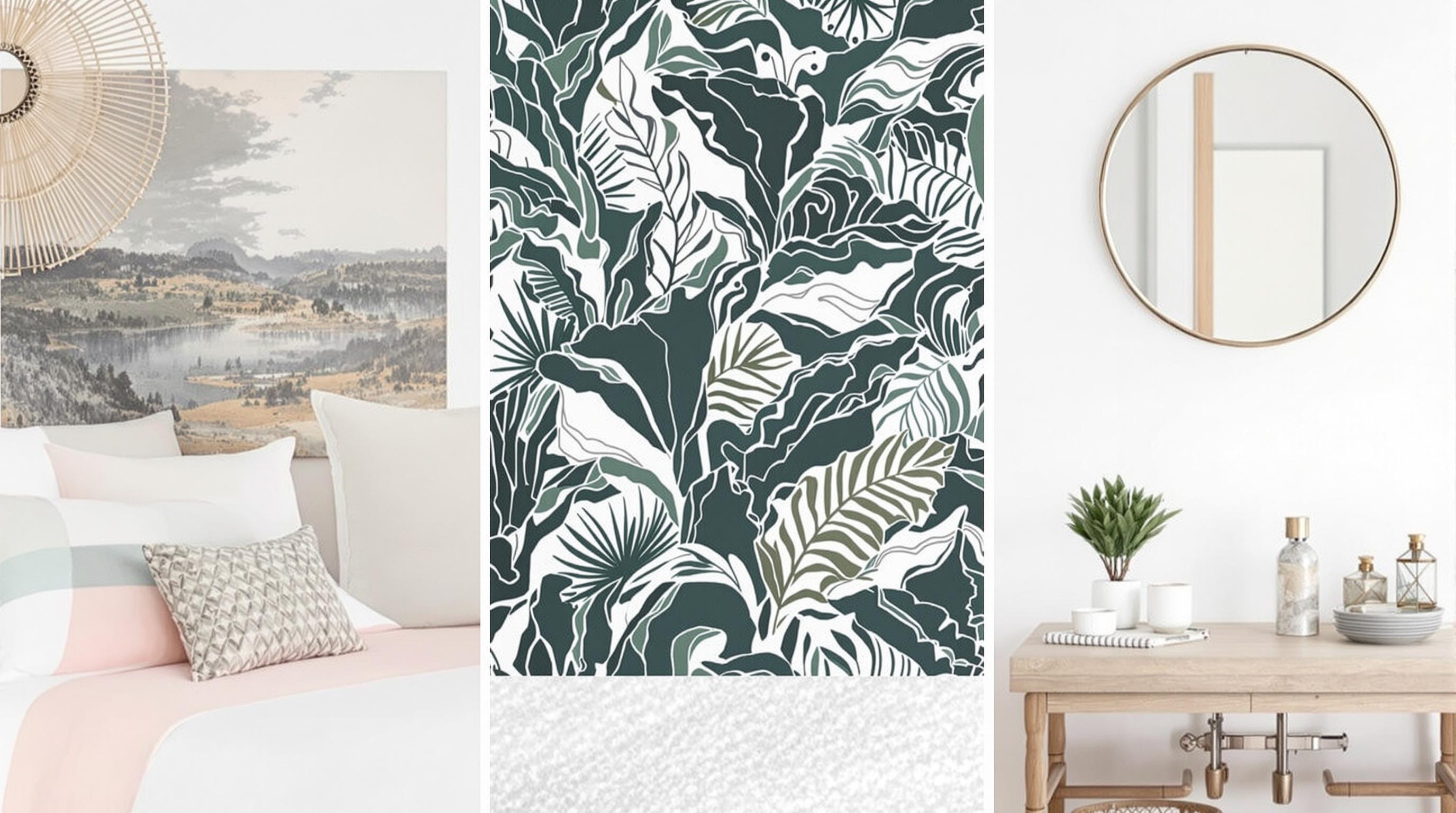
Lighting plays a pivotal role in biophilic design. Try to maximize natural light by eliminating heavy curtains or opting for sheer ones to welcome soft sunlight. The color palette should reflect nature, with hues like greens, browns, and soft blues setting the mood for a tranquil space. Assigning a corner for relaxation with a comfy chair and a window view can also improve your connection with the outdoors. For a whimsical touch, fairy lights mimic the stars and add a dreamy vibe, leading to peaceful nights and soothing mornings.
Bathrooms: The Oft-Ignored Sanctuary
Often overlooked in discussions about biophilic design is the bathroom, yet it can be a lush retreat that elevates your wellness routine. Think of how soothing it feels to step into a spa-like environment after a long day—this is achievable through biophilic elements. Consider materials like stone and wood, which can create a warm ambiance reminiscent of natural hot springs.
Soundscapes: A Symphony of Nature
Emotion is not only influenced by what we see but also by what we hear. Add soft background sounds of flowing water or chirping birds to your bathroom with a Bluetooth speaker, transporting you to serene environments. There are even nature-focused apps that provide a variety of soundscapes, so you can curate your own audio experience for ultimate relaxation. A 2021 study found that 75% of people feel their stress levels dropped significantly after listening to nature sounds.
The Role of Texture
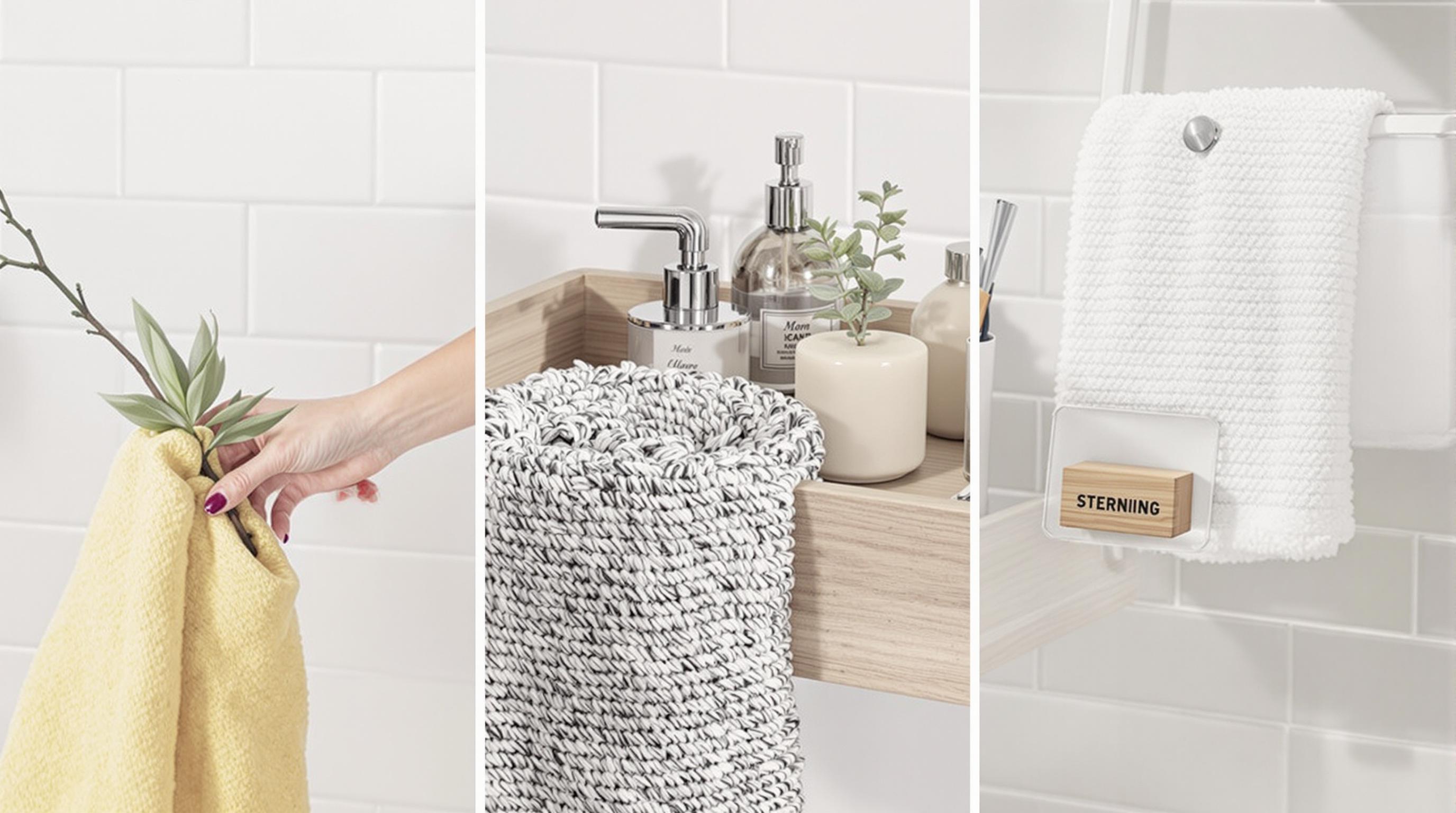
Textures are vital in creating an inviting bathroom space. Incorporate bamboo bath mats, woven baskets, or textured towels to add an organic touch. These elements help soften the typically sterile feeling of bathrooms. Colorful tile choices can imitate stone or wood, enhancing the overall aesthetic while maintaining functionality.
Case Studies and Real-Life Inspirations
Let’s take a moment to draw inspiration from some successful biophilic design projects around the globe. The Bosco Verticale (Vertical Forest) in Milan is a prime example, where residential buildings are adorned with thousands of trees and plants, creating an urban oasis. Closer to home, consider the design of the Kew House, which harmoniously integrates indoor and outdoor spaces, fostering a seamless flow between the two realms.
Interestingly, companies like Amazon are recognizing the benefits of biophilic design in their workspaces. Their Spheres in Seattle are lush, indoor rainforests filled with exotic plants, creating a vibrant environment that promotes employee well-being. However, it doesn't take a significant financial investment to introduce these ideas. Simple changes in our bedrooms and bathrooms can echo the grandeur of such impressive constructions.
Implementing Biophilic Design on a Budget
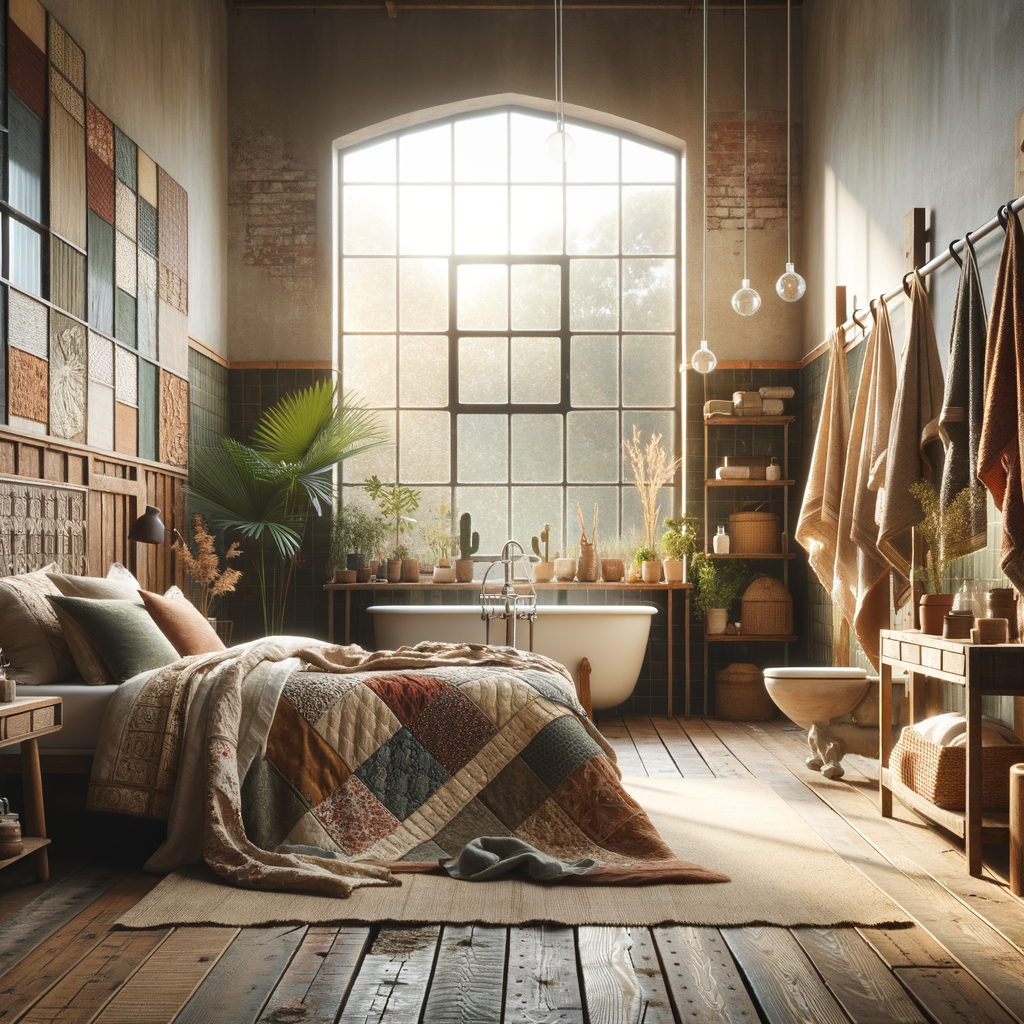
If you think the transition to a nature-centric room requires vast resources, you may be pleasantly surprised. Start small—artificial plants, reclaimed wood for shelving, or even just painting a wall in a soothing hue can have a remarkable impact. Vintage markets are treasure troves for unique finds that can give your space instant character without breaking the bank.
Common Misconceptions about Biophilic Design
It’s essential to address some common misconceptions about biophilic design. One of the biggest is that it only suits specific aesthetic tastes; however, biophilic elements can be versatile and appeal to various styles—be it modern, rustic, or minimalistic. Another misconception is that it requires an elaborate transformation. In reality, it can start with simple additions like houseplants or natural fibers.
Conclusion: Embrace Nature Indoors
As our lives become increasingly busier and urbanized, it’s vital to carve out little sanctuaries of peace, especially in the most private spaces of our homes: the bedroom and the bathroom. Biophilic design offers a captivating way to achieve this, forging a path to tranquility and wellness. So why not take that plunge? Create your lush indoor retreat today and experience a newfound connection to nature—all from the comfort of your home.
Transforming your spaces doesn’t have to be daunting. Start with one plant, a pops of color, or a touch of natural texture. In the delicate dance between nature and design, you may find your own unique style unfolding; something that nurtures not just your aesthetics, but also your well-being.
Related Articles