Featured Articles
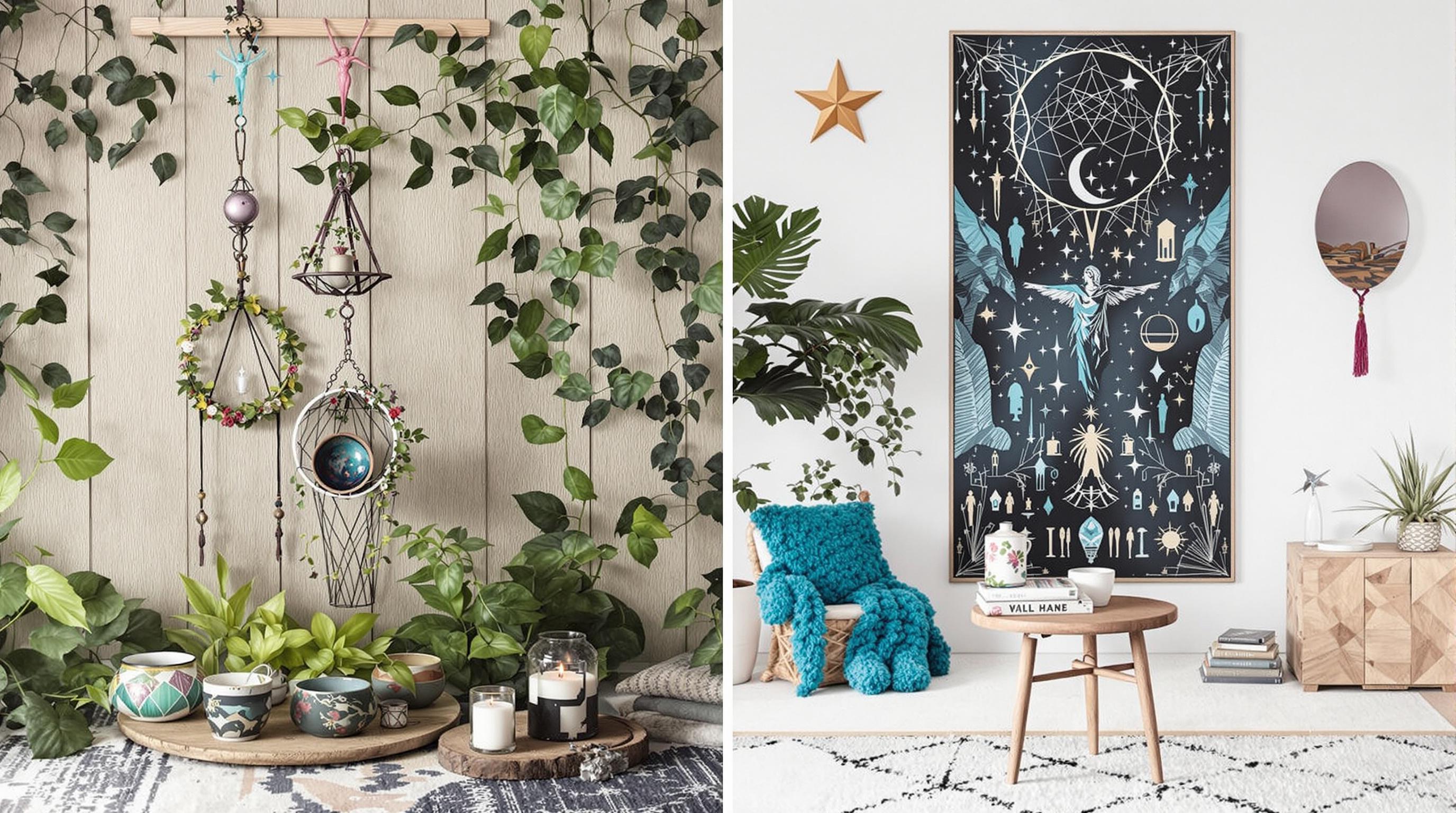
- 10 Enigmatic DIY Decor Ideas That Channel Mystical Vibes for Your Home Sanctuary
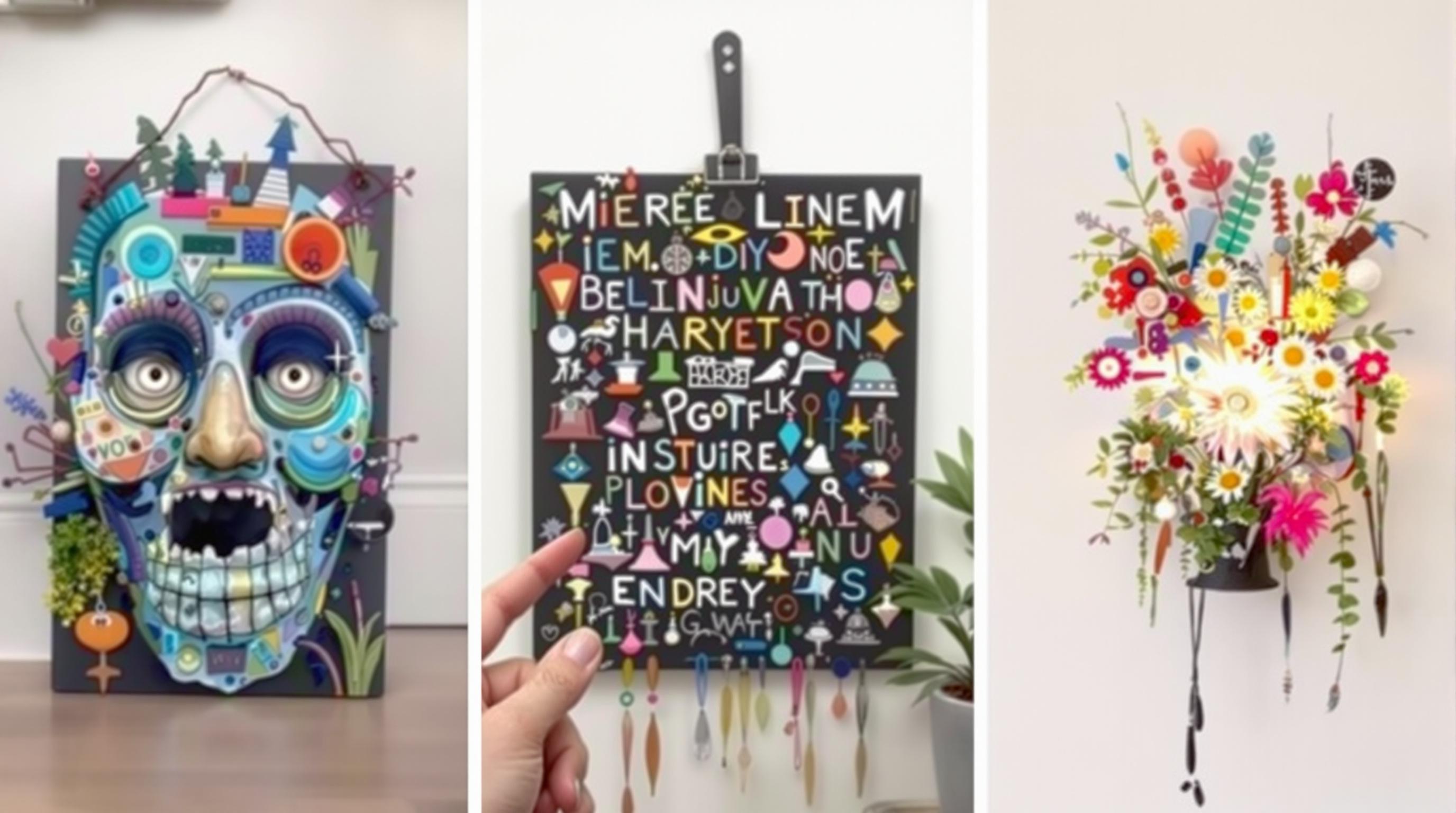
- 12 Bizarre Yet Beautiful DIY Decor Hacks That Make Your Home Unforgettably Unique
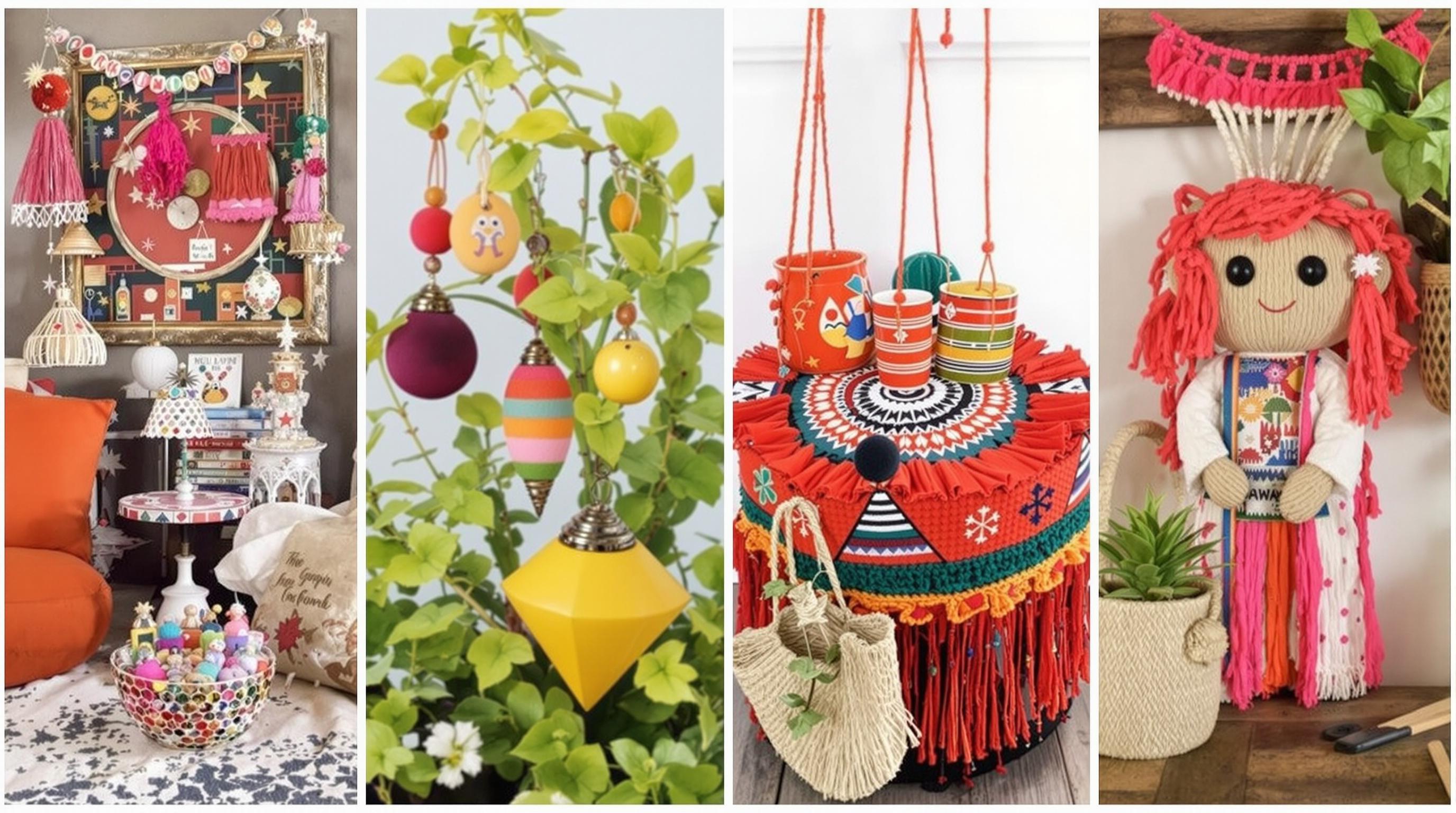
- 7 Creative and Unusual DIY Decor Projects Inspired by Uncommon Cultural Traditions from Around the World
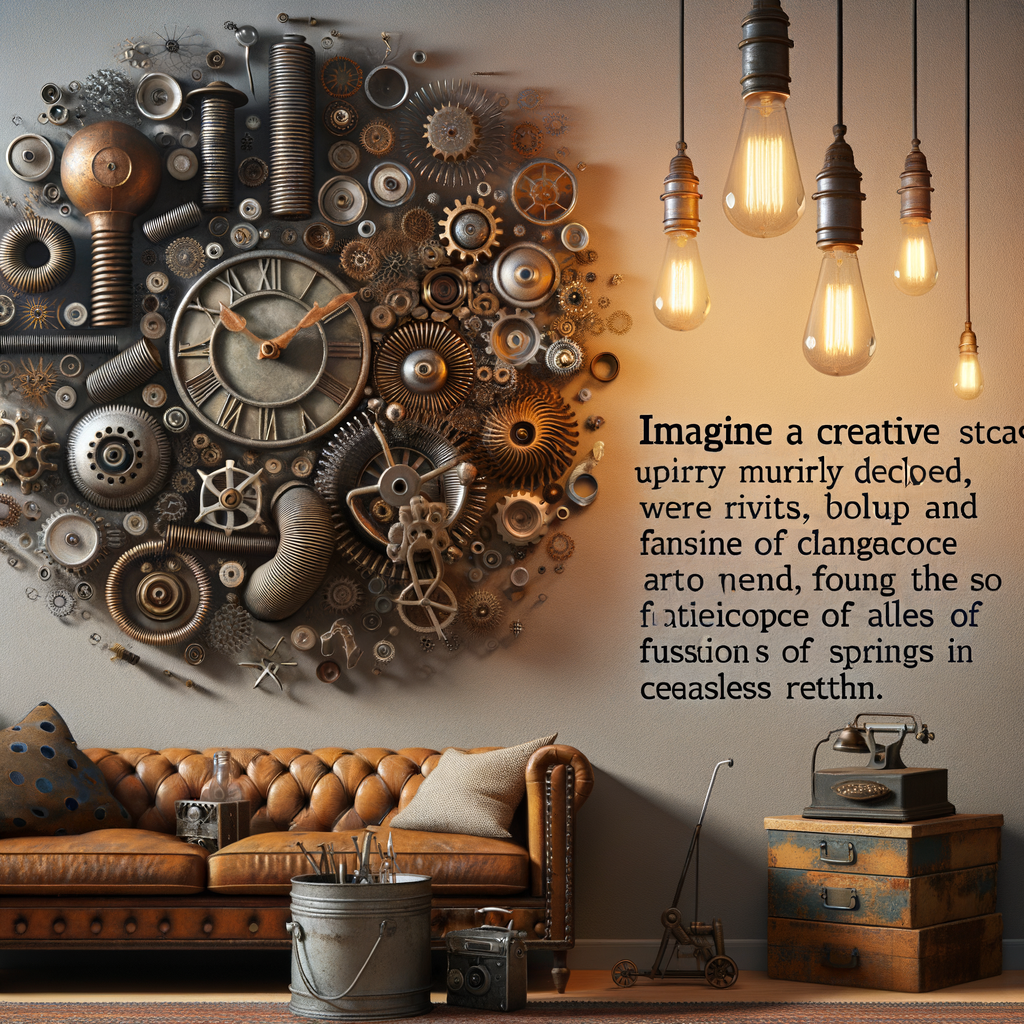
- 8 Unexpected DIY Decor Upgrades Using Vintage Finds to Transform Your Space into Timeless Elegance
- Embracing the Unexpected: Transforming Household Waste into Stunning DIY Decor Masterpieces
Reimagining Waste: Turning Unlikely Materials Into Stunning DIY Decor Treasures
Reimagining Waste: Turning Unlikely Materials Into Stunning DIY Decor Treasures
In a world increasingly defined by consumerism and waste, transforming unlikely materials into beautiful DIY decor not only fosters creativity but also champions sustainability. From discarded glass bottles to old jeans, let’s explore innovative ways to reimagine waste and create stunning treasures for our homes.
Waste Not, Want Not: A Cultural Shift
Did you know that, according to the Environmental Protection Agency (EPA), the average American generates about 4.9 pounds of waste per day? This staggering statistic highlights the urgent need for creative solutions to minimize waste. Some cultures have long emphasized the idea of reusing and recycling long before it became a trend. For instance, in Japan, the art of “kintsugi” is not only about repairing broken pottery but also celebrating the beauty in imperfections—a perfect analogy for how we can view waste materials as potential decor treasures instead of trash.
Glass Bottles: From Trash to Treasure
Imagine this: a sunny afternoon, your favorite glass bottle washed and sparkling on the table, waiting to be transformed. One popular DIY project involves turning these bottles into stunning vases. Simply rinse them out, remove any labels, and fill them with fresh flowers. Alternatively, with a little bit of paint or twine, these bottles can also serve as chic candle holders, adding ambiance to any room.
Case Study: The Bottle Garden
Consider the case of Kelsey, a 25-year-old art enthusiast from Portland, Oregon. She started collecting glass bottles after attending a local workshop on sustainability. With a bit of creativity, Kelsey turned her backyard into a mesmerizing bottle garden, using various colored bottles she painted with eco-friendly spray paint. Visitors often mistake it for a high-end installation art piece when, in fact, it’s a brilliant example of repurposing waste.
Plastic Fantastic: The Many Lives of Plastic Waste
Plastic might seem like the villain of the waste story, but it has hidden potential as a decor material. One exciting trend is using plastic containers to create amazing planters. By painting them in vibrant colors or wrapping them in natural fibers, you can create a botanical display that’s both eco-friendly and visually appealing. Plus, it’s a fantastic way to introduce kids to gardening!
Statistically Speaking
The world produces over 300 million tons of plastic each year, yet only about 9% of it gets recycled (National Geographic). That’s a staggering waste of resources! By repurposing plastic into eye-catching decor pieces, we not only reduce landfill waste but also raise awareness about the importance of recycling.
Tip: The Plastic Bottle Planter
To make your own plastic bottle planter, simply cut a bottle in half, fill it with soil, and plant your favorite herbs or flowers. Paint the exterior if you’d like, and watch your tiny garden thrive. This simple project is a quick win for anyone looking to green their space, regardless of age or expertise!
Old Clothing: A Textile Renaissance
Here’s a fun fact: the fashion industry is responsible for 10% of global carbon emissions (UN Environment Programme). With the rise of fast fashion, turning old clothing into decor has never been more timely. Tattered jeans, vibrant sweaters, or even socks can find new life as home accents.
Creative Examples
Consider the delightful world of fabric scrap art. By cutting old clothing into strips, you can create everything from cozy throw pillows to stylish wall hangings. There’s something inherently comforting about upcycled textiles, each bearing a story, a memory, or an adventure. In fact, a group of artists in Detroit holds monthly workshops to teach aspiring DIYers how to create fabric art pieces, effectively bringing communities together.
A Personal Touch
When I was 28, I decided it was time to clean out my closet. I stumbled upon a pair of jeans I adored but could no longer wear. Instead of tossing them out, I cut them into squares and quilted them together into a cozy lap blanket. Now, this keepsake decor piece serves as a reminder of my love for those jeans, and it's one-for-one my most cherished item in the house!
Natural Materials: Celebrating the Earth
Mother Nature gives us a plethora of materials just waiting to be transformed into decor. Think driftwood, pinecones, and even branches. These natural items can be effortlessly turned into rustic decor pieces, appealing for both the rustic chic and organic decor lovers. Driftwood wall art, for instance, is a fantastic example of how nature can inspire our home interiors.
DIY Driftwood Art
To create your driftwood art, gather various pieces of driftwood from your favorite seaside escape. Arrange them into an artistic shape or pattern and mount them on a canvas. For added effect, consider dangling glass tealight holders for an enchanting glow in the evening—perfect for creating a cozy atmosphere when friends come over.
The Humor of DIYing
Every DIY project has its hiccups! When creating one of my first wall hangings out of plastic spoons, I confidently placed them in what I thought was an artistic fashion. A few hours later, my friends walked in to find my "masterpiece" looking more like a spoon monster than chic decor. Lesson learned: sometimes, it’s okay to embrace imperfections—somehow, our greatest mistakes lead to the most laughs!
A Community of Creators
Sharing your DIY projects not only inspires others but also builds a sense of community. Social media platforms like Instagram and Pinterest are teeming with talented individuals showcasing their creations. A simple hashtag search can lead you to thousands of ideas. Challenge yourself to post your upcycle project and witness the engagement it brings as other creators share their own stories.
Engagement Stats
According to a study by HubSpot, 81% of online consumers trust advice and information shared by friends and family. So, imagine how your upcoming DIY project could ignite creativity in your circle—even drawing the attention of a neighbor who might have similar materials just lying around!
Bringing It All Together
Whether you’re a seasoned DIYer or just dipping your toes into the world of upcycling, the possibilities for transforming waste into decor are endless. From repurposing glass and plastic to reinventing old clothing and harnessing the beauty of natural materials, your home can become a canvas for creativity.
In Summary
Reimagining waste is not just about making something beautiful; it’s about crafting stories, encouraging sustainability, and reconnecting with our resources. The next time you look at a piece of waste, pause and ask yourself: What treasure lies within? You just might discover the artist you never knew you were—all while playing a role in protecting our beloved planet.
Final Thoughts
With an urgency growing around the importance of sustainable habits, reallocating our waste into decor is not just a trend; it’s a movement. So roll up your sleeves, gather those so-called "useless" materials, and start creating. Who knows? The next treasure you uncover could be the decoration that brings joy to your home—while making a positive impact on the world.
Related Articles