Featured Articles
- 10 Hidden Influences: How Global Cultural Narratives Shape Distinct Interior Decor Choices Today
- 12 Surprising Colors: How Unexpected Hues Can Revitalize Your Interior Decor and Inspire Unique Designs
- 7 Unique Techniques: How Vintage Industrial Elements Can Transform Contemporary Interior Spaces
- 8 Enigmatic Styles: Discovering the Allure of Eclecticism in Interior Decor Trends Across Eras
- 9 Unconventional Materials: Transforming Interior Decor with Unique Textures and Surprising Elements for Modern Spaces
8 Enigmatic Styles: Discovering the Allure of Eclecticism in Interior Decor Trends Across Eras
8 Enigmatic Styles: Discovering the Allure of Eclecticism in Interior Decor Trends Across Eras
8 Enigmatic Styles: Discovering the Allure of Eclecticism in Interior Decor Trends Across Eras
1. Understanding Eclecticism
Eclecticism in interior decor transcends conventional style boundaries, blending disparate elements to create innovative and unique spaces. This trend stems from the understanding that personal expression often results in the most authentic designs, allowing individuals to showcase their tastes and experiences. As a result, eclectic design becomes a canvas that tells a story through the careful selection of various styles.
Historically, eclecticism emerged as a response to the rigidity of established design trends. It encourages the mixing of periods, cultures, and artistic influences, creating a harmonious yet striking aesthetic. Designers like Philippe Starck and Kelly Wearstler have gained acclaim for their ability to create diverse environments that reflect eclectic principles, championing a philosophy of artistic freedom.
The rich history of eclecticism spans multiple disciplines and eras, making it a fascinating subject of study. From ancient Roman architectural practices to the postmodern movements of the late 20th century, eclecticism illustrates a relentless pursuit of originality and imagination in decor.
2. The Victorian Era: Quirky Elegance
The Victorian era, characterized by an ornate and opulent style, set the stage for eclecticism in interior design. The period saw the revival of various historical styles, including Gothic, Renaissance, and Moorish, resulting in intricately decorated homes filled with an array of textures and patterns. This blending of styles often created tight spaces filled with an abundance of decorative elements.
Victorian interiors were often layered with rich fabrics, bold wallpapers, and an eclectic mix of furniture styles. Ornamental details, such as lace curtains and lavish rugs, exemplified the era's love for maximalism. Famous Victorian designers like William Morris emphasized handcrafted items, making their homes personal reflections of their eclectic tastes.
Aspects of Victorian design continue to influence contemporary decor, showcasing how eclecticism can evolve while retaining its historical roots. By juxtaposing dramatic elements with cozy furnishings, the Victorian influence persists in modern interiors, inviting a renewed appreciation for diverse aesthetics.
3. The Art Deco Revolution: Glamour and Geometry
Emerging in the early 20th century, the Art Deco movement revolutionized interior decor with its striking geometric patterns and luxurious materials. While primarily characterized by bold lines and vibrant colors, Art Deco also embraced a range of influences, from ancient Egypt to African motifs. This unique melange made it a prime example of eclectic design.
Art Deco interiors often incorporated sleek furniture designs, mirrored surfaces, and metallic accents, reflecting the glamour of the Roaring Twenties. It elevated everyday items to works of art, making the eclectic style accessible to a broader audience. Notable architects and designers, including Le Corbusier and Emilio Terry, shaped the movement's eclectic identity by blending modernism with historical references.
The allure of Art Deco remains significant in contemporary decor, where it inspires countless interpretations. Reimagined within modern contexts, it serves as a reminder of the power of blending diverse influences to create a cohesive and visually stunning interior.
4. Mid-Century Modern: The Beauty of Simplicity
The mid-20th century marked a pivotal shift in interior decor, as the Mid-Century Modern style emphasized functionality fused with aesthetics. This era brought forth a new approach to eclecticism, where simplicity met vibrant color palettes and organic forms. The movement celebrated the integration of indoor and outdoor spaces, promoting a sense of harmony.
Furniture designers like Charles and Ray Eames incorporated natural materials and clean lines, leading to an approachable and functional style. This resulted in spaces that exuded a timeless quality while promoting eclectic combinations of textures and materials. Mid-century pieces have become staples in modern eclectic decor, known for their versatility and iconic forms.
As interest in sustainability and minimalistic living surged, the revival of Mid-Century Modern design underscored the enduring appeal of eclecticism. Today, these elements combine harmoniously with contemporary decor, showcasing how past styles inform current trends and preferences.
5. Bohemian Chic: The Art of Layering
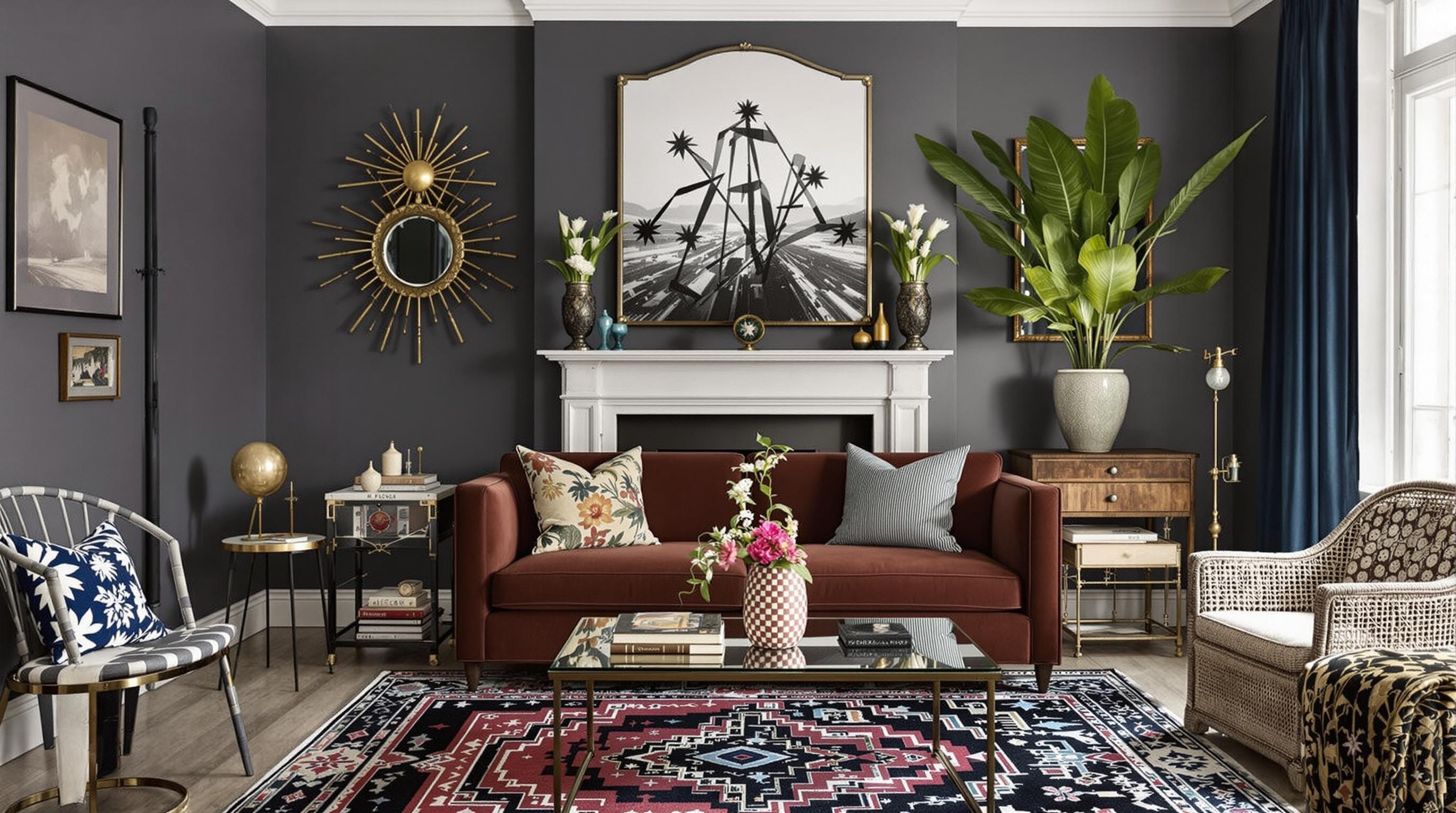
Bohemian chic is a quintessential example of eclecticism, focusing on global influences and personal narratives. This style thrives on the idea of layering—not just textiles, but also cultures and ideas—creating spaces that feel lived-in and personal. Originating from the mid-20th century, bohemian decor reflects a spirit of adventure and creativity.
Characterized by vibrant patterns, an array of textiles, and an assortment of decorative items from travels, bohemian chic favors an informal yet artistic atmosphere. Furniture might consist of vintage finds paired with handmade crafts, creating a tactile environment rich in storytelling. Designers like Justina Blakeney promote this curated chaos, guiding others in finding beauty in the unconventional.
The embrace of bohemian aesthetics amplifies the eclectic spirit, encouraging individuals to celebrate diversity through their decor. By defying traditional design rules, bohemian chic continues to inspire new generations of decor enthusiasts who seek authentic expression in their living spaces.
6. Industrial Style: Raw and Refined
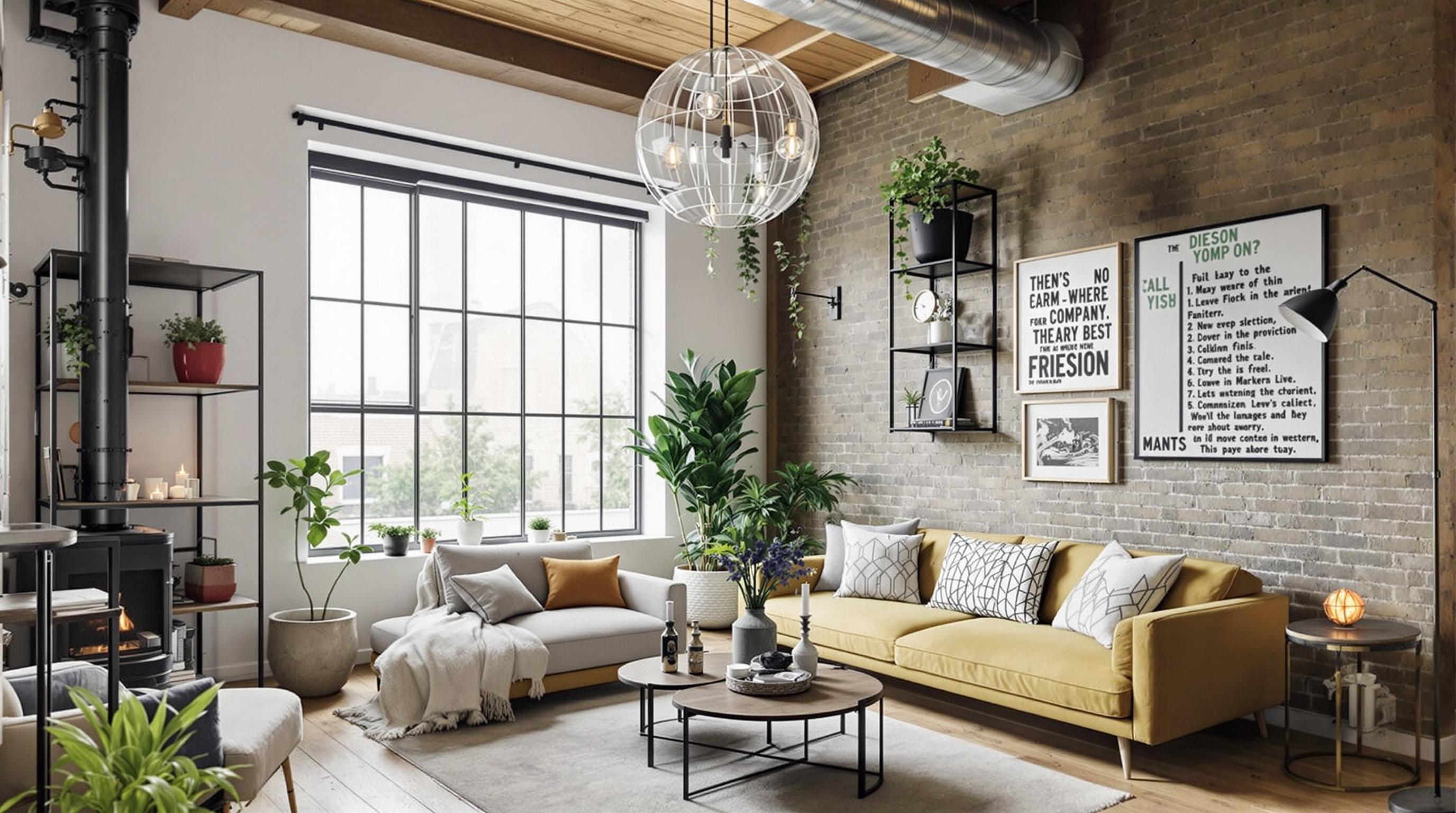
Emerging in the late 20th century, industrial style draws inspiration from repurposed warehouses and lofts, promoting a raw yet refined aesthetic. Characterized by exposed bricks, steel beams, and concrete floors, this style exemplifies a unique approach to eclecticism by merging rugged elements with modern design sensibilities.
Industrial decor often features a blend of vintage and contemporary furniture, allowing for individual expression while maintaining a cohesive aesthetic. The juxtaposition of warm woods with cool metals creates a dynamic atmosphere, appealing to those who appreciate an urban, unfinished look. Designers such as Studio 104 have successfully captured the industrial essence while introducing eclectic accents into their spaces.
This style has transcended its origins, becoming a popular choice for urban dwellings worldwide. Its adaptability fosters a seamless integration of eclectic elements, catering to various tastes while encouraging creativity in interior styling.
7. Global Fusion: Cultural Narratives
Global fusion reflects the interconnectedness of cultures through design, embodying an eclectic spirit that celebrates diversity. By blending elements from different parts of the world, this style creates spaces rich in narrative and symbolism, inviting a deeper understanding of various cultural heritages. Artifacts, textiles, and artwork from various regions often share space in a harmonious way.
Incorporating global influences often leads to vibrant color combinations, intricate patterns, and unique wall art that tell stories from around the globe. Designers like Jonathan Adler highlight this trend, often featuring handcrafted items sourced from artisans worldwide and celebrating cultural craftsmanship. The result is an eclectic aesthetic that promotes appreciation for cultural diversity.
As global travel and digital connectivity increase, the allure of global fusion in interiors continues to expand. This style encourages an appreciation for the beauty found in differences, proving that eclecticism can serve as a bridge connecting various artistic expressions and global narratives.
8. Sustainability Meets Eclecticism
As awareness of environmental issues has grown, a new trend in eclecticism emphasizes sustainability within interior decor. This approach encourages designers and homeowners to curate spaces using reclaimed materials, vintage furnishings, and eco-friendly products. The focus on sustainability aligns with an eclectic philosophy of authenticity, as each piece often has its unique history and story.
Repurposing old items not only conserves resources but also allows for creative expression. Designers showcase how to blend new and vintage pieces, resulting in unique interiors that tell a poignant story of environmental consciousness. Influential figures in this movement, like Emily Henderson, promote sustainable practices while maintaining eclectic aesthetics.
By merging sustainability with eclectic principles, the future of interior decor embraces a world where diverse tastes harmonize with ecological awareness. This shift encourages individuals to create spaces reflecting their values and personal style while promoting the health of our planet.