Featured Articles
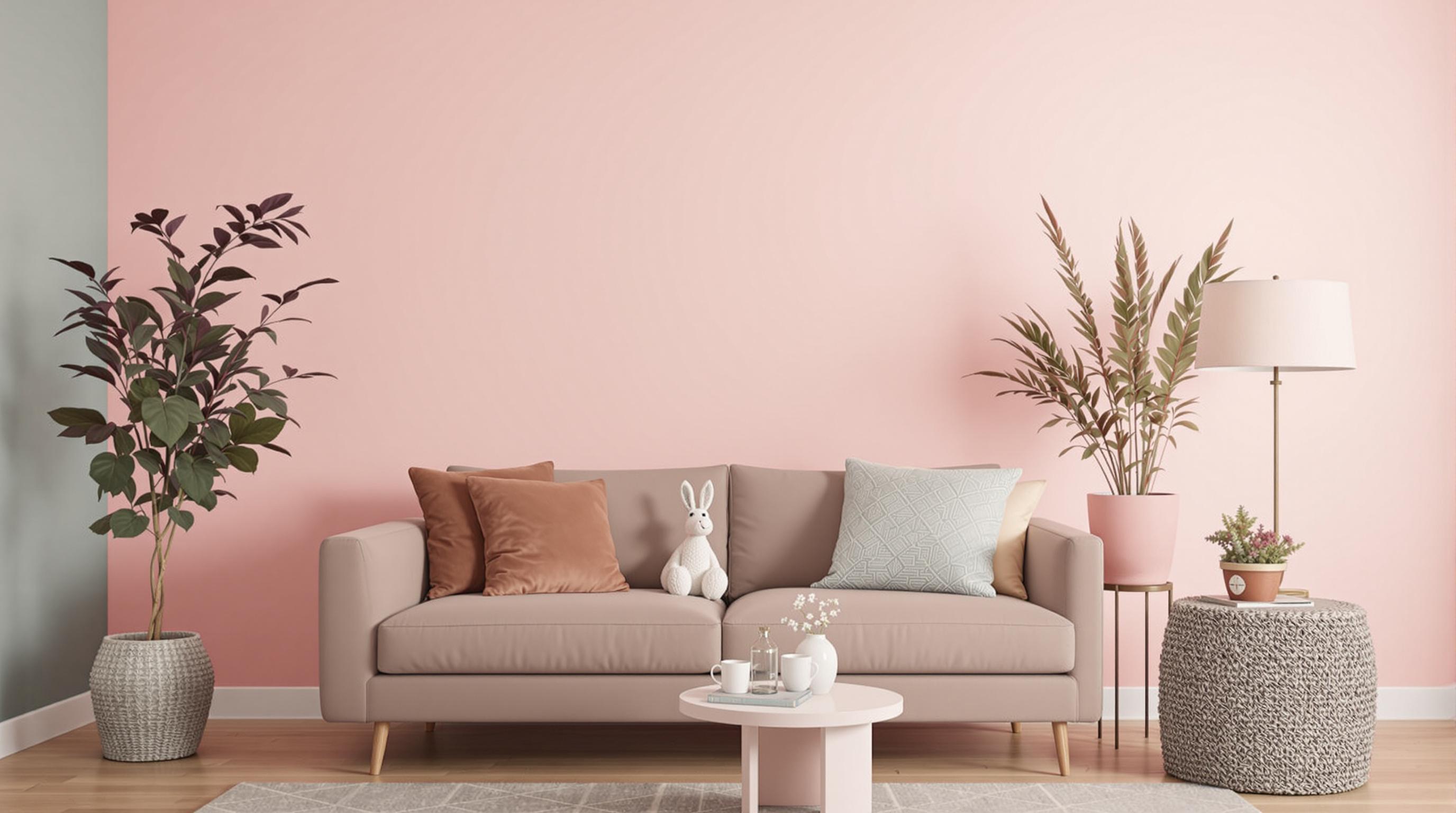
- 10 Hidden Influences: How Global Cultural Narratives Shape Distinct Interior Decor Choices Today
- 12 Surprising Colors: How Unexpected Hues Can Revitalize Your Interior Decor and Inspire Unique Designs
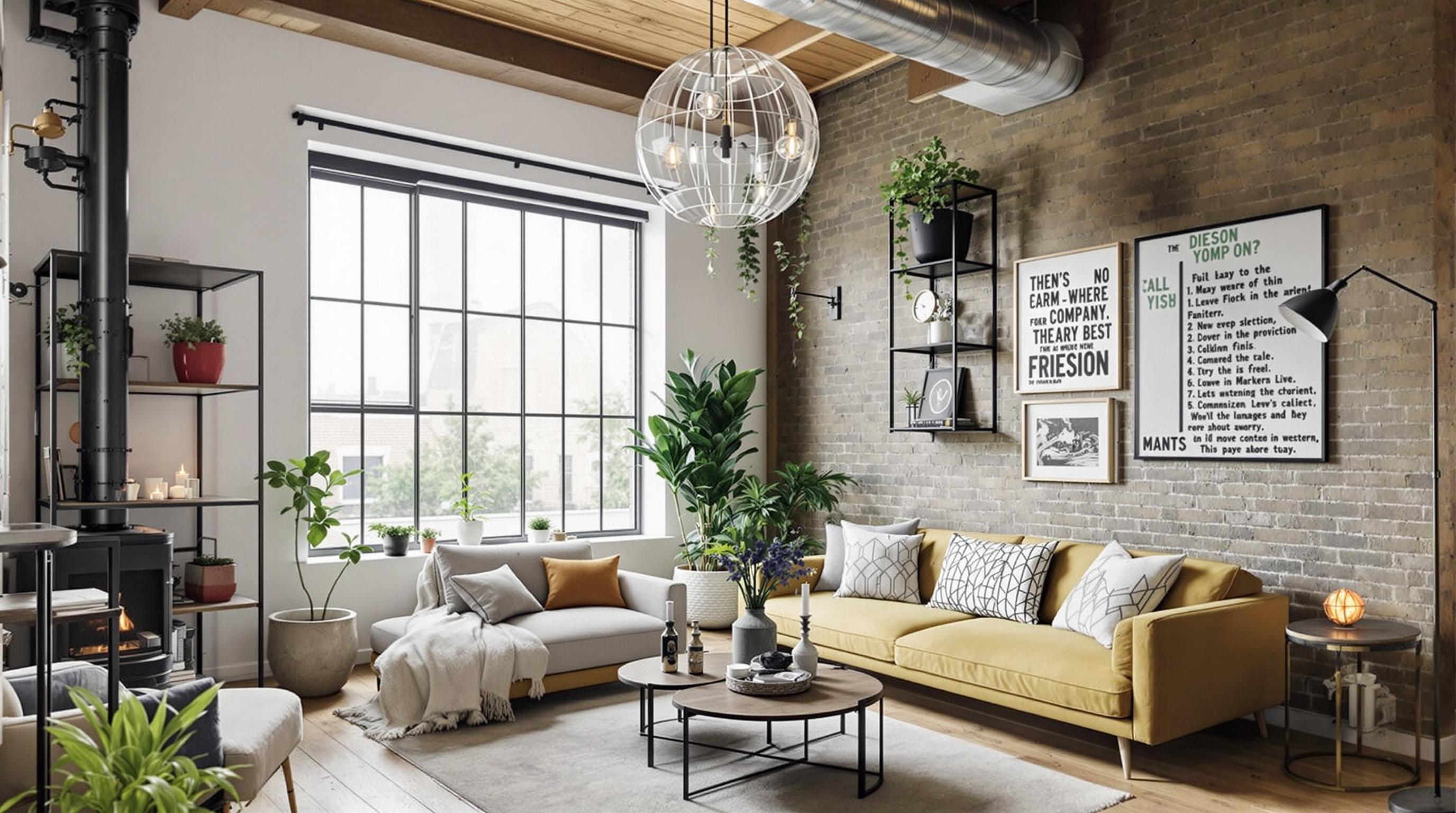
- 7 Unique Techniques: How Vintage Industrial Elements Can Transform Contemporary Interior Spaces
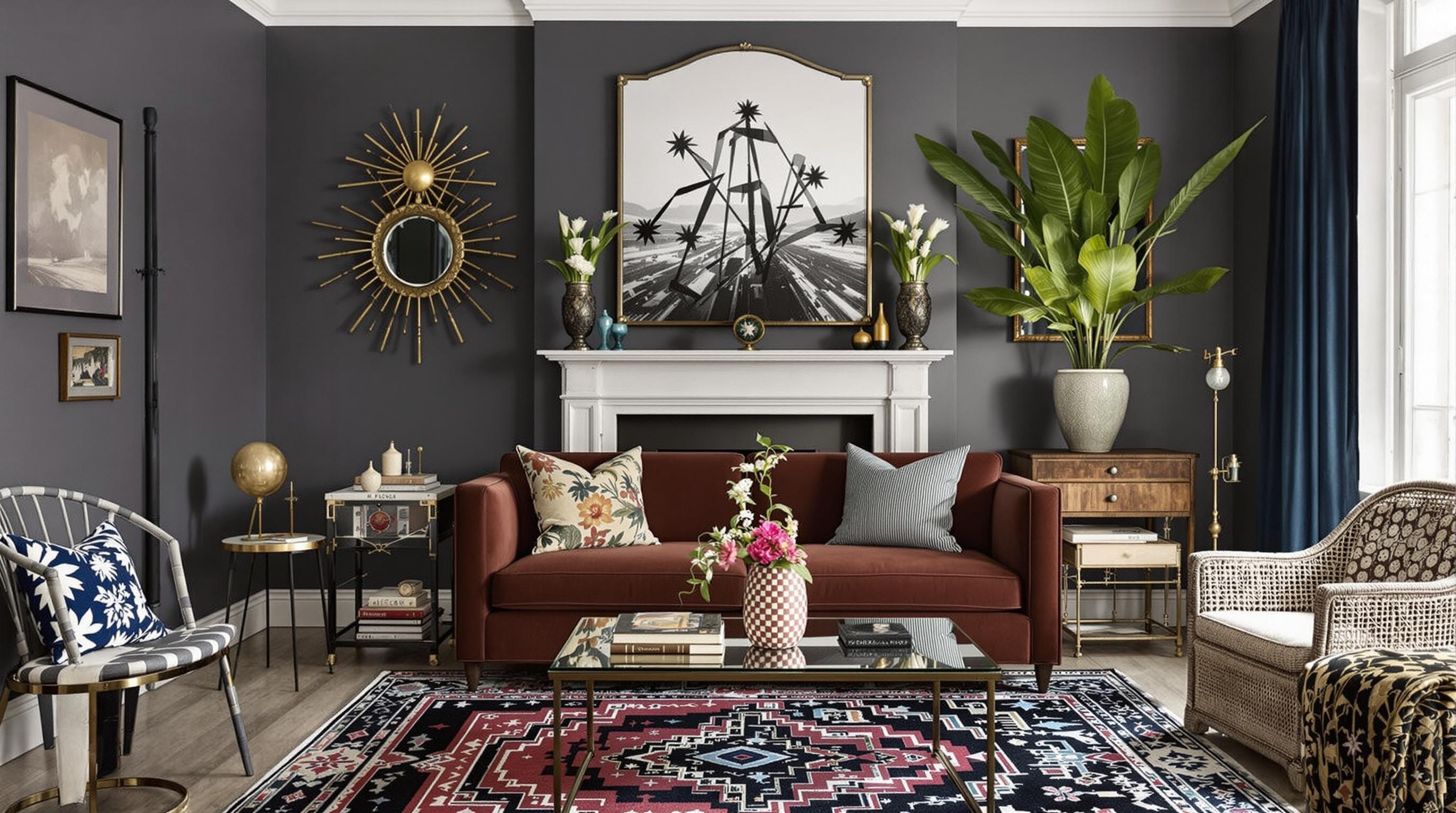
- 8 Enigmatic Styles: Discovering the Allure of Eclecticism in Interior Decor Trends Across Eras
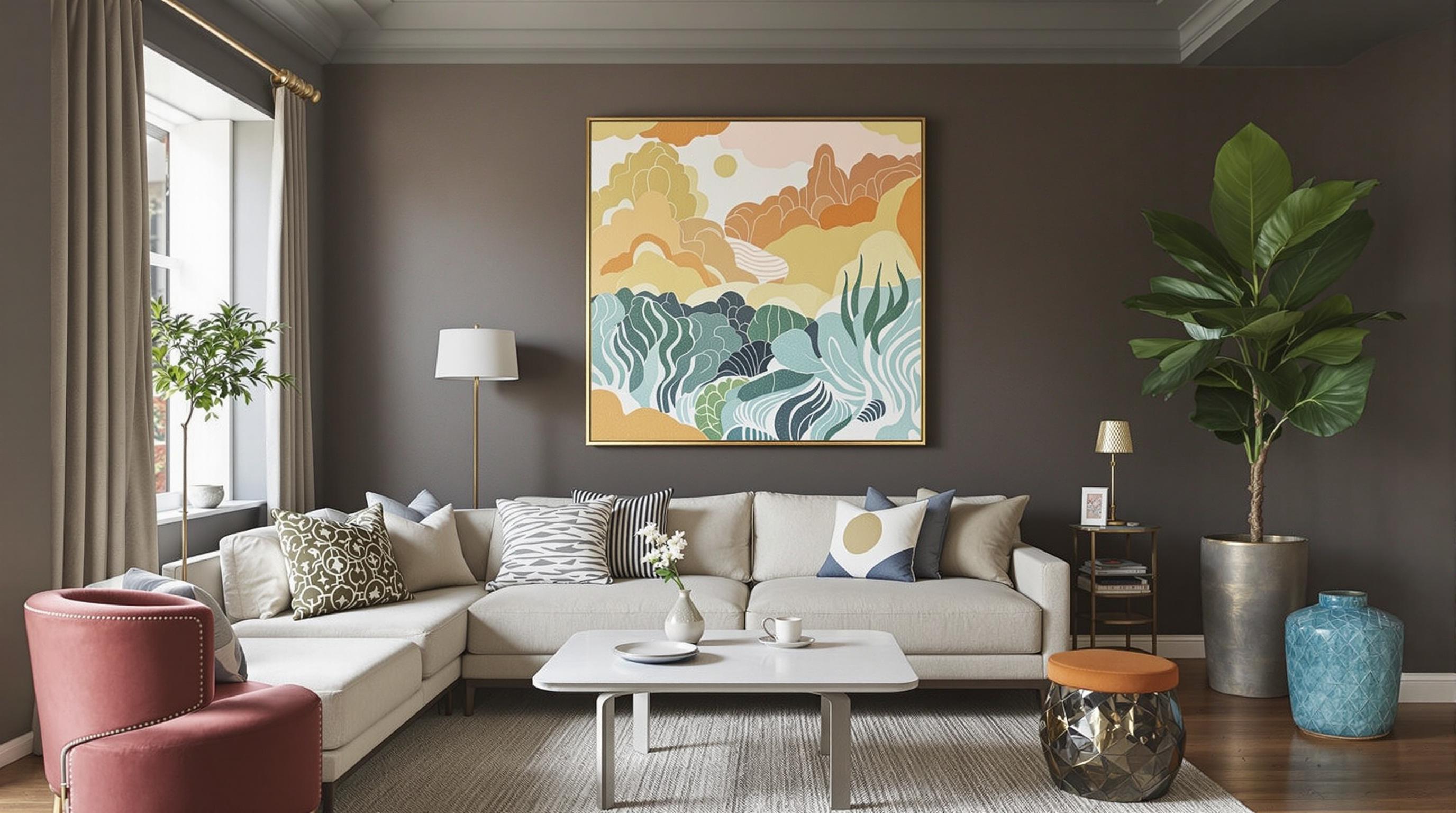
- 9 Unconventional Materials: Transforming Interior Decor with Unique Textures and Surprising Elements for Modern Spaces
Unveiling the Unexpected: How Fungi-Inspired Decor is Transforming Modern Interiors
Unveiling the Unexpected: How Fungi-Inspired Decor is Transforming Modern Interiors
Fungi are not just critters of the forest floor; they are now inspiring a wave of innovative design in modern interiors. This article explores how fungi-inspired decor is captivating homeowners, designers, and environmentalists alike, transforming spaces with elegance and sustainability.
The Rise of the Mycelium Aesthetic
It’s hard to believe, but research shows that nearly 90% of plants on Earth have a symbiotic relationship with mycorrhizal fungi. This connection isn't just biological; it's aesthetic. Designers are beginning to draw inspiration from the intricate patterns and organic textures of fungi, leading to a stunning palette of decor options that resonate with nature lovers and minimalist fans alike. Designers like MycoWorks are harnessing mycelium to create sustainable materials that are as beautiful as they are functional.
Seeing Nature’s Art: The Visual Appeal
Fungi, with their unconventional shapes and vivid colors, open a treasure trove of design possibilities. Think of the delicate curves of a mushroom cap or the lace-like structure of a fungal spore print. These elements can be transformed into wallpaper, light fixtures, and even furniture. It’s art and nature intertwined! High-end retailers are catching on; for example, the furniture company Muuto has debuted pieces that mimic the organic forms of fungi, appealing to a market eager for natural aesthetics.
Transforming Spaces: Eco-Friendly Revolution
As sustainability becomes a critical consideration for consumers, fungi-inspired decor offers an eco-friendly solution. Many of these designs utilize mycelium, which is biodegradable and leaves a minimal carbon footprint. Dyes derived from mushrooms also provide a non-toxic alternative to traditional inks, making them suitable for fabrics, carpets, and wallpapers. In fact, a 2020 study highlighted that mycelium-based products could reduce plastic production by up to 50 million tons annually.[1]
Case Study: Urban Jungle Meets Mycelium
Take, for instance, a small apartment in Brooklyn that underwent a remarkable transformation. The owners wanted to create a biophilic environment, echoing their love for nature, while maximizing their limited space. They collaborated with local artist Sarah Pogue, who crafted wall hangings and sculptures that featured mycelium designs. By incorporating fungi-inspired elements, the apartment became a nature-inspired haven amidst the urban hustle, inspiring a greater connection to the environment even in a city setting.
The Science Behind the Aesthetics
Why are we so drawn to the forms and colors of fungi? A study published in the journal "Ecopsychology" suggests that humans possess an innate attraction to nature, a concept known as biophilia. The visual aspects of fungi, with their unique shapes and textures, cater to this primal yearning for organic forms in our living spaces. Moreover, fungi’s role in ecological balance reminds us of the importance of sustainability, a theme that resonates strongly within the modern consumer mindset.
Bringing Humor to Fungi
Let’s be honest: how many of us have looked under a mushroom and thought, “This could REALLY be a lamp”? The quirky nature of fungi does offer designers a chance to have fun. They can create whimsical decor items that remind us not to take life too seriously; after all, who wouldn’t want a cute mushroom-shaped stool in their living room? Imagine the conversation starter that would create at your next gathering! After all, nothing says 'stylish' like telling your guests to “watch out for the champignon.”
A Subtle Nod to Tradition
Interestingly, fungi have long been revered in various cultures. In Japanese tradition, for instance, the art of “Mushroom Observing” includes appreciating their forms and incorporating them into tea ceremonies for both aesthetic and health benefits. As interior designers increasingly fuse cultural elements with contemporary design, fungi-inspired decor serves as an homage to these rich histories while providing a modern twist.
Practical Tips to Incorporate Fungi into Your Home Decor
If you're wondering how to bring the fungi aesthetic into your home, start small. Here’s how:
- Mushroom Prints: Look for wallpapers or prints featuring mushroom designs or patterns. They can add a touch of whimsy to any room.
- Natural Textiles: Fabrics dyed with mushroom extracts not only look beautiful but are also sustainable.
- Fungal Tableware: Consider incorporating dinnerware that features fungal shapes. Perfect for impressing your guests!
- Mycelium Decor: Consider sculptures made of mycelium to infuse your space with natural elegance.
The Future of Fungi in Home Design
The fungi-inspired decor trend is more than just a passing fancy; it's a movement toward a more sustainable and environmentally considerate approach to interior design. Furthermore, as technology progresses, innovations in mycelium processing promise to enhance the aesthetic variety and durability of fungi-inspired products. With more designers venturing into this space, we can expect stunning advancements that may eventually revolutionize how we view decor.
From Fungi to Fashions: A Broader Impact
Fungi-inspired decor is just the tip of the iceberg. There’s a growing recognition of fungi’s potential in fashion as well! Think about it: fungi can be transformed into leather-like materials through processes that are labor-intensive yet hold significant promise. Brands like Stella McCartney are at the forefront of this effort, creating bags and shoes that are not only chic but sustainably made without compromising ethics or style.
Why Should You Care?
So why should this matter to you, the everyday consumer? The answer is simple: making small changes in your decor can promote a larger movement toward sustainability and environmental consciousness. By choosing fungi-inspired decor, you're saying "yes" to creativity, ecological responsibility, and cultural appreciation, all while creating spaces that are visually stunning and personally meaningful.
In Conclusion: Embrace the Mushroom Madness!
As our collective consciousness turns toward sustainability, fungi-inspired decor embodies the beauty and innovation that nature can offer for modern interiors. From sculpture to textiles and beyond, the allure of these little organisms is helping us bridge the gap between functionality and artistry. So next time you’re contemplating a home makeover, think outside the box—or rather, outside the forest floor—and embrace the mushroom madness!
[1] “Potential Reductions in Plastics and Environmental Impact from Mycelium Materials,” Journal of Sustainability, 2020.