Featured Articles
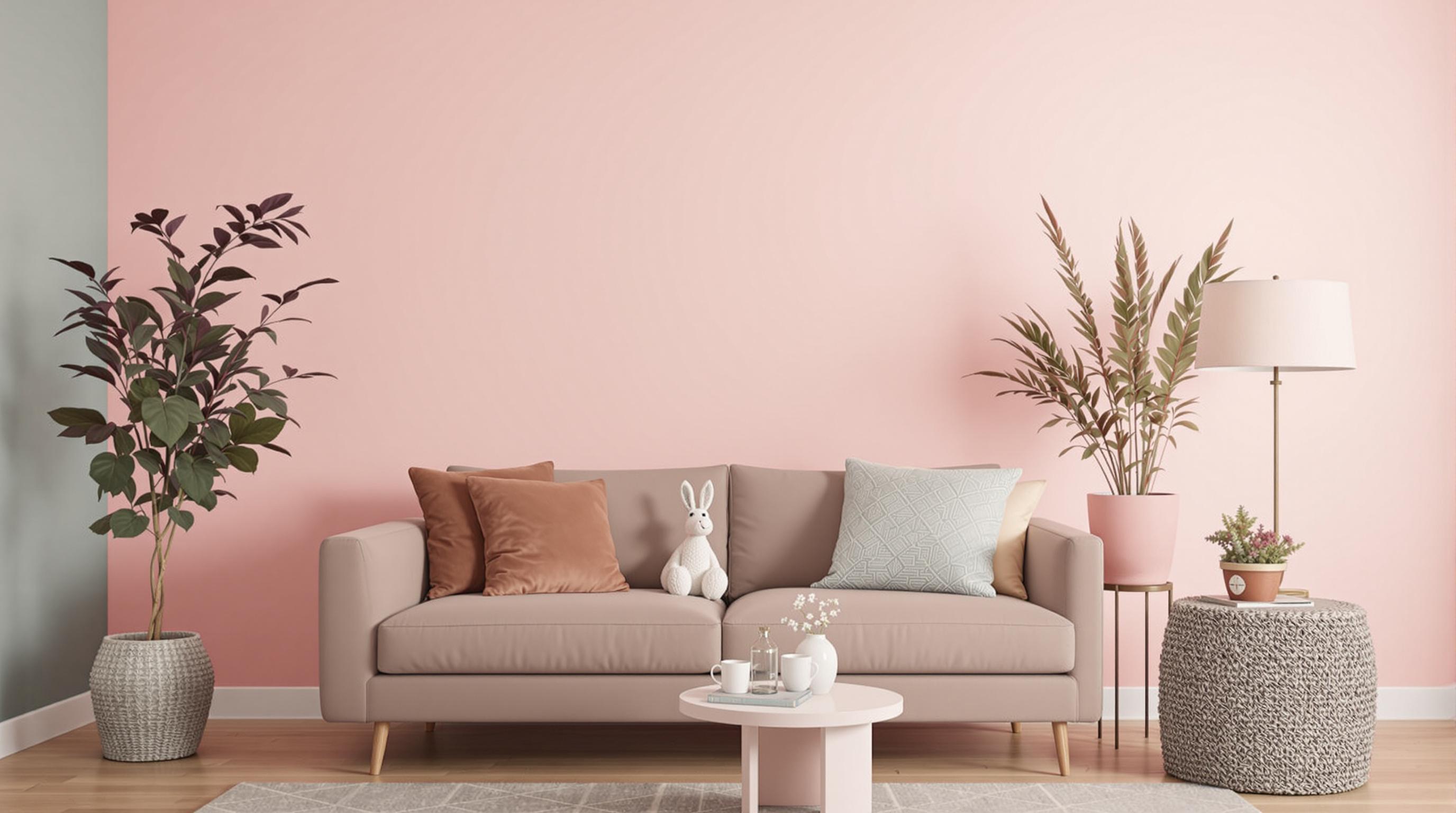
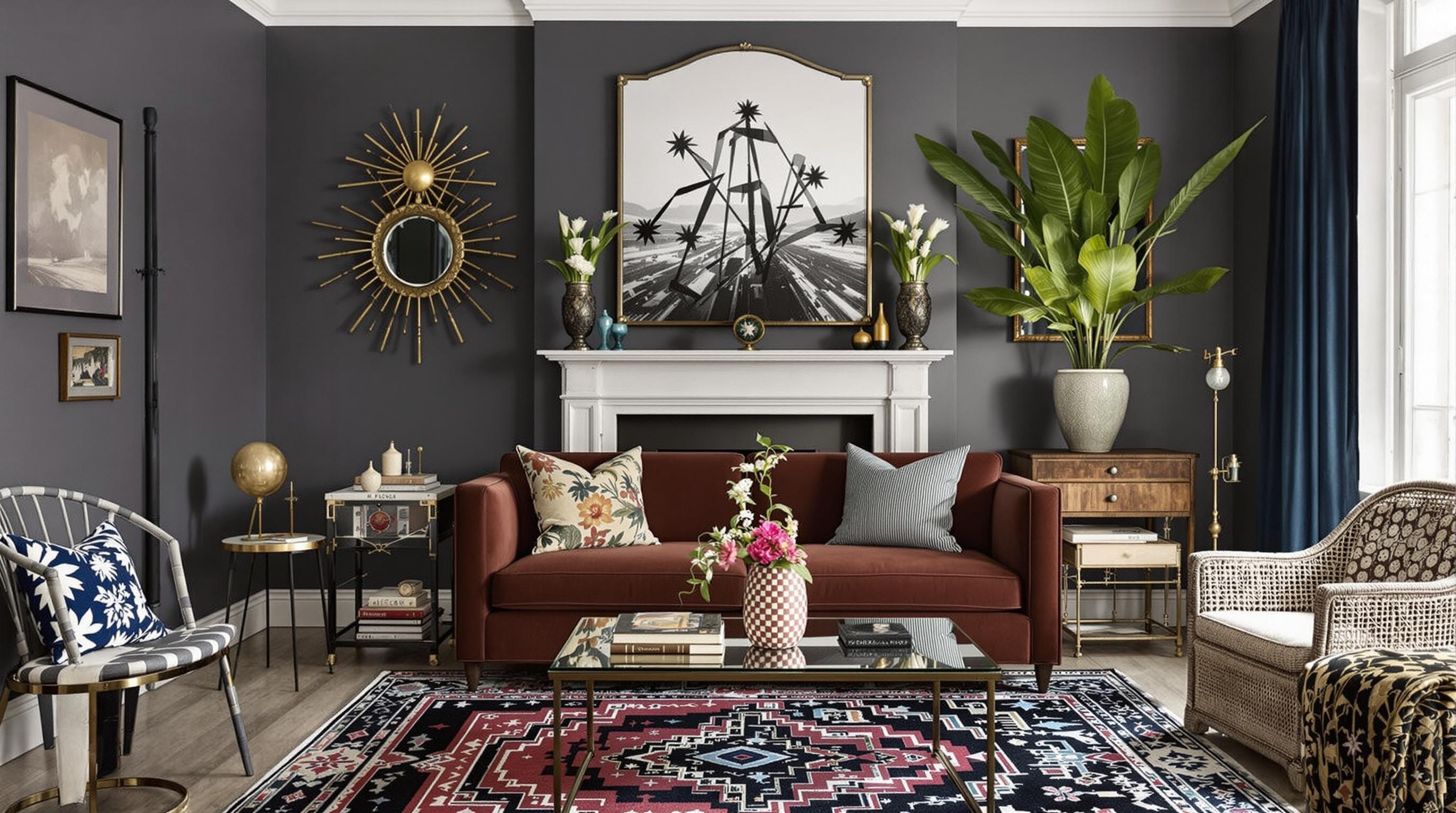
- 10 Hidden Influences: How Global Cultural Narratives Shape Distinct Interior Decor Choices Today
- 12 Surprising Colors: How Unexpected Hues Can Revitalize Your Interior Decor and Inspire Unique Designs
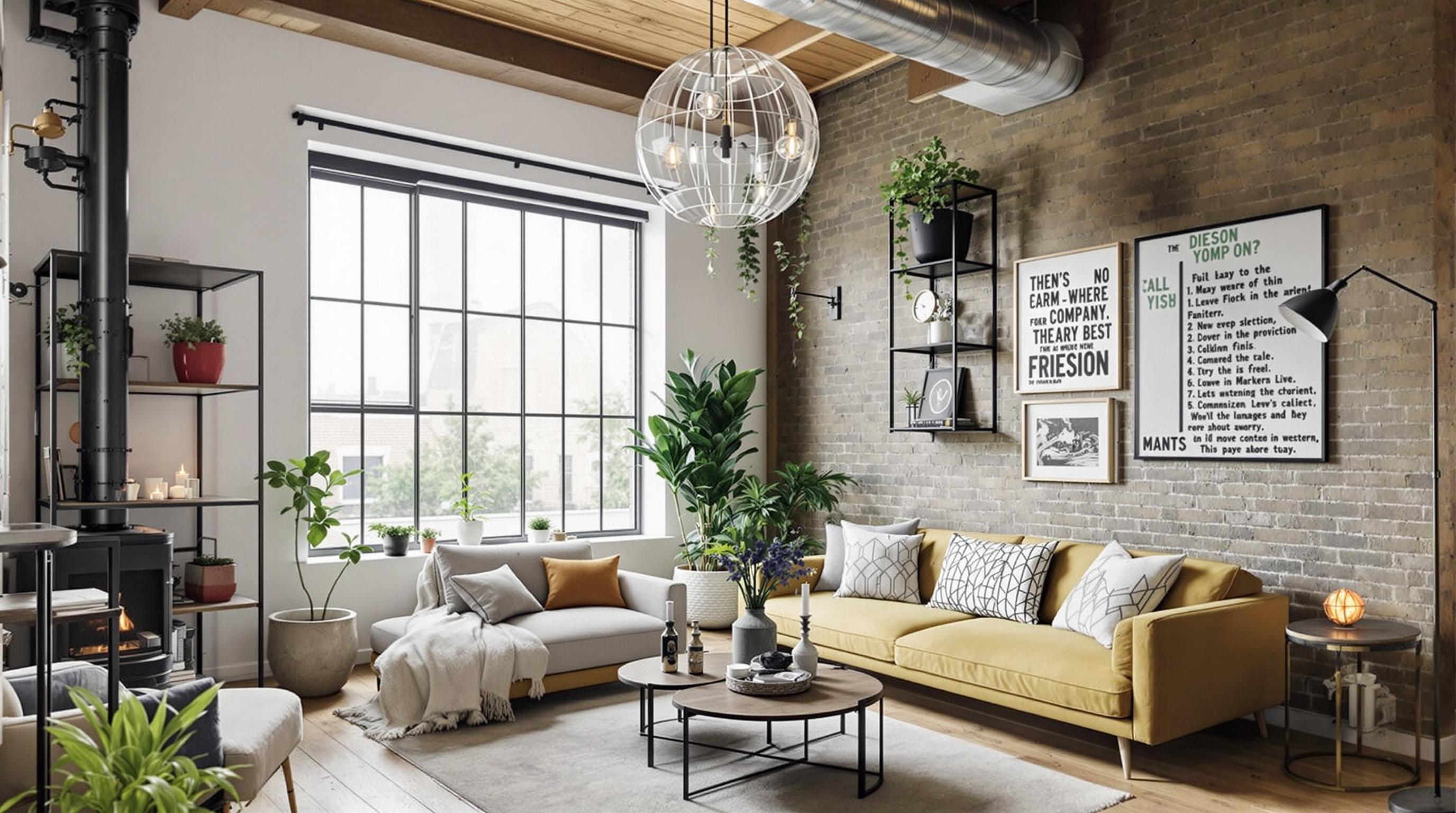
- 7 Unique Techniques: How Vintage Industrial Elements Can Transform Contemporary Interior Spaces
- 8 Enigmatic Styles: Discovering the Allure of Eclecticism in Interior Decor Trends Across Eras
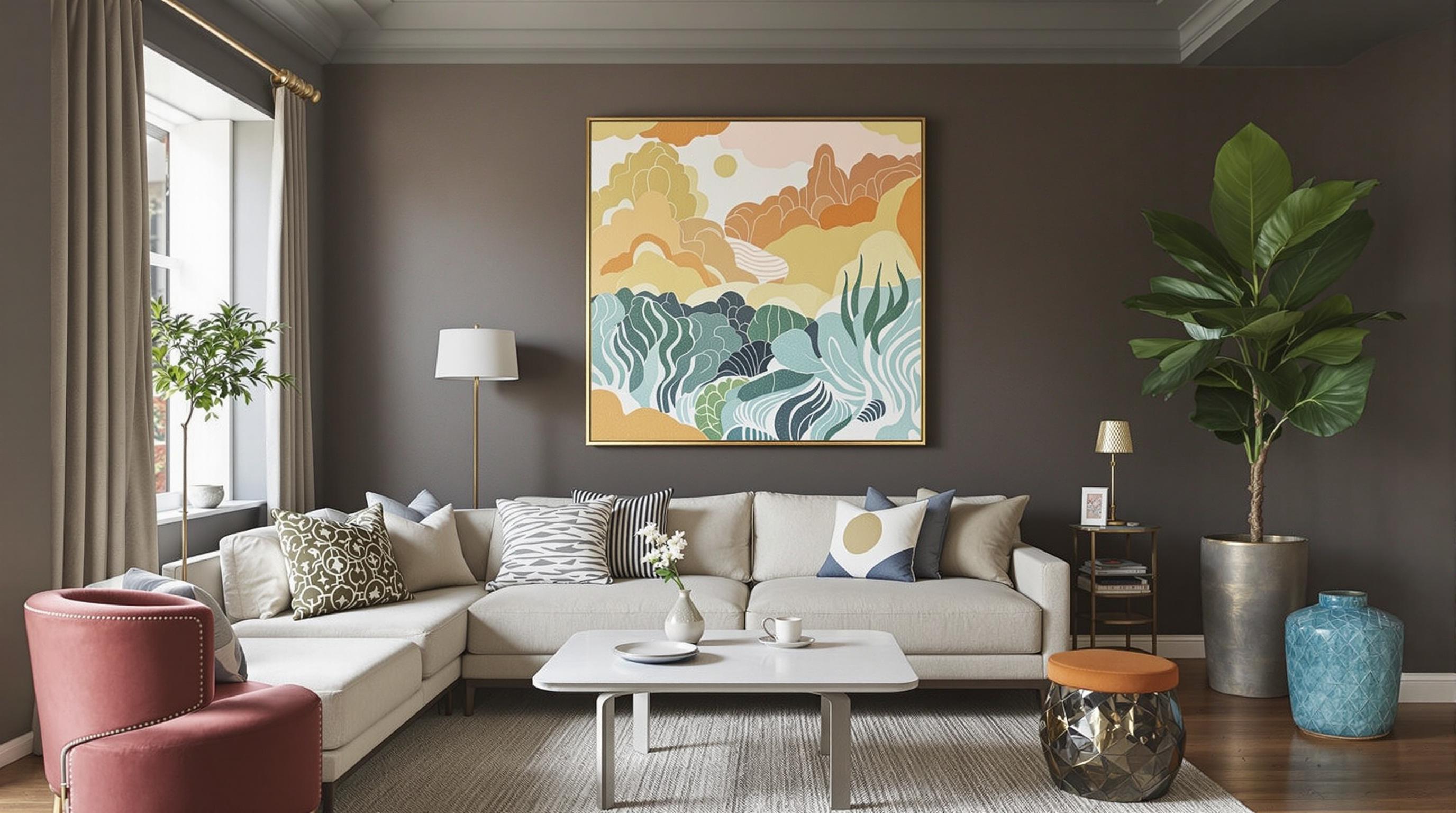
- 9 Unconventional Materials: Transforming Interior Decor with Unique Textures and Surprising Elements for Modern Spaces
Whimsical Walls: Exploring the Rise of Augmented Reality Art in Modern Interior Decor
Whimsical Walls: Exploring the Rise of Augmented Reality Art in Modern Interior Decor
Augmented reality (AR) art is transforming the landscape of interior decor, allowing individuals to personalize their spaces like never before. As this technology merges digital imagery with our physical environments, whimsical walls are not just a figment of imagination but a growing trend backed by creativity and innovation.
The Whimsical Appeal of Augmented Reality Art
Imagine walking into your living room and seeing a painting that not only captures your attention but also comes alive with colors dancing and stories unfolding. Augmented reality has injected a sense of whimsy into interior decor, captivating the imagination of people from all walks of life. According to a recent report by Statista, the AR market is expected to reach $198 billion by 2025, indicating a significant growth trajectory for this immersive technology.
A Brief History of Augmented Reality in Art
To understand the rise of AR art, we must travel back to its inception. While AR can trace its roots to the 1960s, its real explosion in the art world came in the early 21st century, particularly in the realm of digital installations and gallery experiences. In 2012, the artist Junaid Memon launched an exhibit titled “Augmented Reality Meets Traditional Art” in Dubai, showcasing how tangible artworks could be enhanced by digital animations.
The Future is Now: Transforming Spaces
Why settle for traditional wall decor when you can have dynamic art that evolves? This question mirrors a shift in modern consumer preferences, where personalization holds paramount importance. Today’s homeowners, especially millennials and Gen Z, often lean toward decor that resonates with their unique tastes and lifestyle, leading to a demand for customizable experiences.
Statistics that Spark Interest
Did you know that around 70% of millennials are willing to spend more on home decor if it reflects their personal style? A Frost & Sullivan survey revealed that immersive technologies, including AR, are among the top five trends driving consumer engagement in retail spaces. This statistic underscores the point that, as more individuals seek unique and interactive experiences in their homes, AR art becomes an appealing solution.
Bringing AR Art to Life: Case Studies
One fascinating example is the collaboration between the renowned artist Banksy and an AR app called “Artivive.” By using the app, individuals can point their smartphones at Banksy's static pieces, and they come to life with animations that deepen the narrative. This case illustrates not just the technology itself but also how it enhances the storytelling aspect of art, engaging viewers in a multi-dimensional experience.
From Alarmingly Traditional to Delightfully Modern
Perhaps the most humorous part of this evolution in home design is how those who once derided abstract art now find themselves enchanted by animated displays on their walls. Imagine Aunt Edna rolling her eyes at a Jackson Pollock, only to be bowled over by an AR interpretation that turns a canvas into an epic story-telling scene. Times have certainly changed, and art must evolve with it, don’t you think?
The Influence of Social Media
Platforms like Instagram and TikTok have undoubtedly propelled the popularity of AR art into the mainstream. Users can document their whimsical walls and share their experiences with a few taps on their devices, effectively creating walking advertisements for brand new aesthetic possibilities. In fact, according to a study by Hootsuite, nearly 54% of social media users have purchased products based on a friend’s recommendation online. Influencers showcasing the latest in AR art in their homes are changing the narrative around interior decorations.
How to Integrate AR Art into Your Space
If you're intrigued and eager to incorporate augmented reality into your home decor, here are a few easy steps. Begin by researching AR art applications that resonate with your style—a popular starting point is the app “WallaMe,” which allows users to leave hidden messages and images in physical spaces that can be revealed through AR. Once you've curated your virtual art gallery, consider the best areas in your home for installation; think of walls that are begging for a whimsical twist.
The Eco-Friendly Art Movement
Often overlooked is the environmental aspect of AR art which presents a compelling argument in favor of its rise. Traditional art can take up significant resources in terms of materials and energy consumption. In contrast, augmented reality artworks don’t require physical materials or transportation, thus posing a less harmful carbon footprint. Eva Hesse once said, "Art is about the here and now," and what better way to honor her sentiment than by embracing technology that represents a sustainable future?
Interactivity as the New Norm
The interactive nature of AR art brings a sense of play back into our homes, which society seems to have lost somewhere along the tech-infused journey of adulthood. This interactivity creates not only a conversation starter but a bonding experience for families and friends who engage with the art together. Out of boredom with traditional paintings, new trends emerge, leading to increased innovation in both artistic expression and technology.
Challenges and Considerations
However, the journey isn't without its obstacles. The need for compatible technology often poses a barrier for some. Older generations or those less tech-savvy might feel apprehensive about integrating AR into their decor. Moreover, while the pixelated world can enchant, it could also overwhelm if not artistically curated. A home packed with AR art could evoke a chaotic scene worthy of its own digital exhibit!
The Emotional Connection to Space
It’s vital to consider the emotional resonance of our living spaces. For many, art represents more than decor; it’s a reflection of identity and experiences. In a 2023 survey by the National Endowment for the Arts, 62% of participants expressed that art contributes positively to their well-being. AR art possesses the unique ability to transform a flat surface into a dynamic, soothing, or exhilarating element, invoking joy and fascination every time you walk by.
Embracing Change: The Growing Acceptance of AR Art
Generational shifts play a significant role in the acceptance of misinformation around technology and art, which can be daunting. Younger individuals are more comfortable openly expressing their appreciation for new modes of artistic expression, leading to the gradual acceptance of AR art in mainstream culture. The trend is also reflected in educational institutions where an increasing number of art programs are incorporating technology into their curricula, highlighting a commitment to adapting to evolving artistic landscapes.
Seize the Future with Whimsical Walls
In summary, whimsical walls adorned with augmented reality art are not merely a fad; they represent a profound shift in how we perceive and interact with the spaces we inhabit. By embracing this innovative technology, we are not only investing in our homes but also in our collective cultural narrative, one story at a time. So, who’s ready to turn their dull, static walls into a canvas of living art? Let’s dive in—your walls await their whimsical transformation!