Featured Articles
- 10 Creative Ways to Incorporate STEM Themes into Kids' Room Decor for Fun and Learning
- 12 Quirky DIY Ideas for Transforming Kids' Spaces into Enchanting Worlds of Adventure and Playfulness
- 7 Unique Themes for Kids' Room Decor That Fuel Imagination and Creativity Beyond the Ordinary
- 8 Enchanting Color Palettes for Kids' Decor That Spark Joy and Inspiration in Every Corner of Their World
- Whimsical Walls: The Rise of Interactive Murals in Kids' Decor and Their Impact on Imagination
Whimsical Wasteland: Transforming Junk into Playful Kids’ Decor for Imaginative Spaces
Whimsical Wasteland: Transforming Junk into Playful Kids’ Decor for Imaginative Spaces
Whimsical Wasteland explores the enchanting realm where junk transforms into delightful decor, sparking imaginative spaces for children. By embracing creativity and sustainability, we can create playful environments that inspire young minds.
The Importance of Imagination in Childhood
Children are natural explorers, and their imaginations are boundless. According to a study published in the journal *Child Development*, imaginative play is crucial for children’s social-emotional development, providing valuable skills such as empathy, problem-solving, and self-regulation (Taylor et al., 2014). When we fill their environments with inspiring and whimsical decor, we create spaces that nurture this essential growth.
Turning Trash into Treasure: The Art of Upcycling
One person’s junk is another’s treasure, and the world of upcycling has opened up an avenue where the discarded can find new life. Upcycling goes beyond recycling; it emphasizes creativity and artistry by transforming materials into new products without breaking them down into their original form. This makes it not just an eco-conscious choice but also an exciting cause that can engage every family member. Have you ever seen a flowerpot made from old tires or a unique lamp made from a bicycle wheel? The possibilities are as vast as the imagination itself!
Case Study: The Transformative Power of Upcycled Spaces
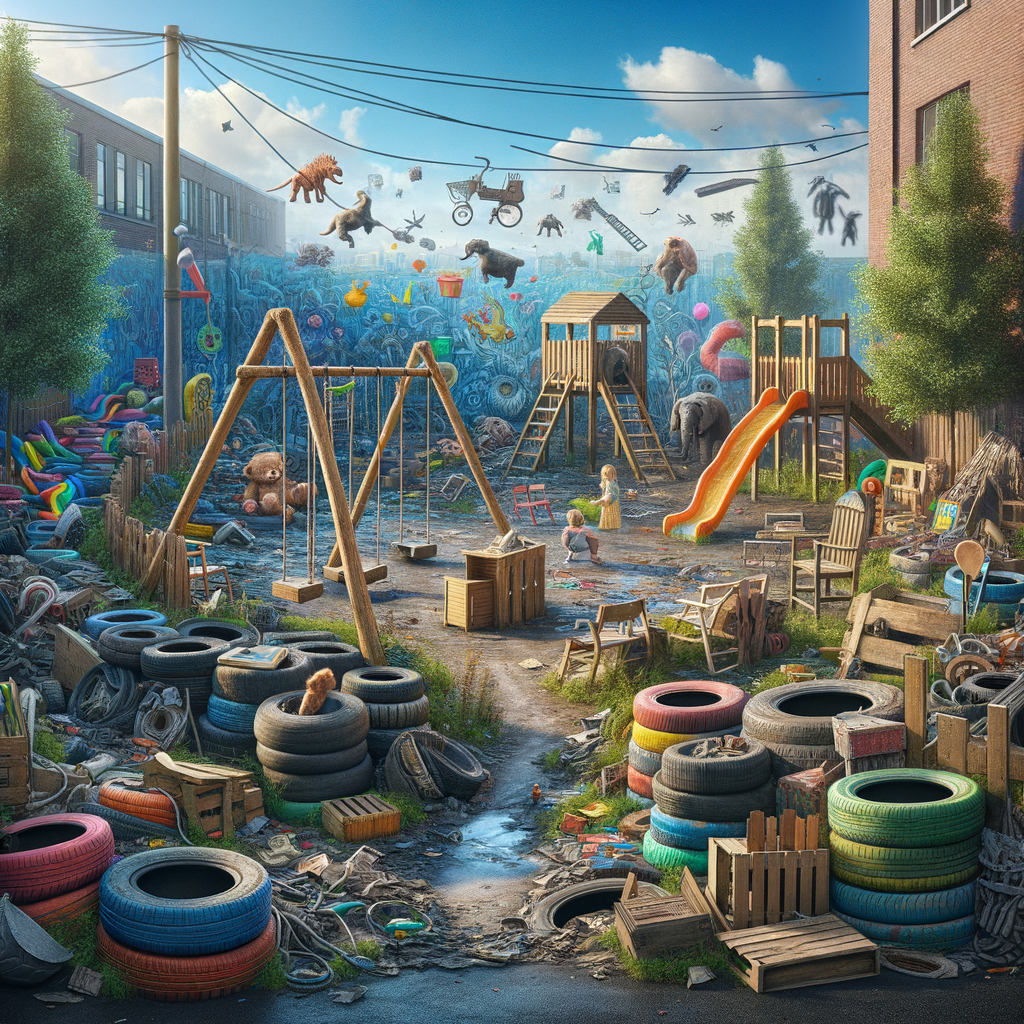
Let’s take a deeper look at the “Junk Playground” phenomenon, which has gained popularity in many urban areas. Inspired by the original idea from 1940s Denmark, these playgrounds allow children to build and create with salvaged materials, promoting creativity and collaboration. Studies show that children engaged in such spaces displayed improved problem-solving skills and interpersonal relationships (Higgins, 2018). It’s a hands-on example of how repurposing materials can ignite imagination.
How to Create Whimsical Wasteland Decor
Ready to dive into the world of whimsical decor? Here are some practical ideas that you can easily implement at home:
- Repurposed Furniture: Transform that old dresser into a vibrant art station by painting it with chalkboard paint. Allow kids to express their creativity freely, switching from furniture to canvas.
- Upcycled Wall Art: Create dazzling wall art using old CDs or bottles. Arranging these in a fun pattern can bring color and life to any dull wall.
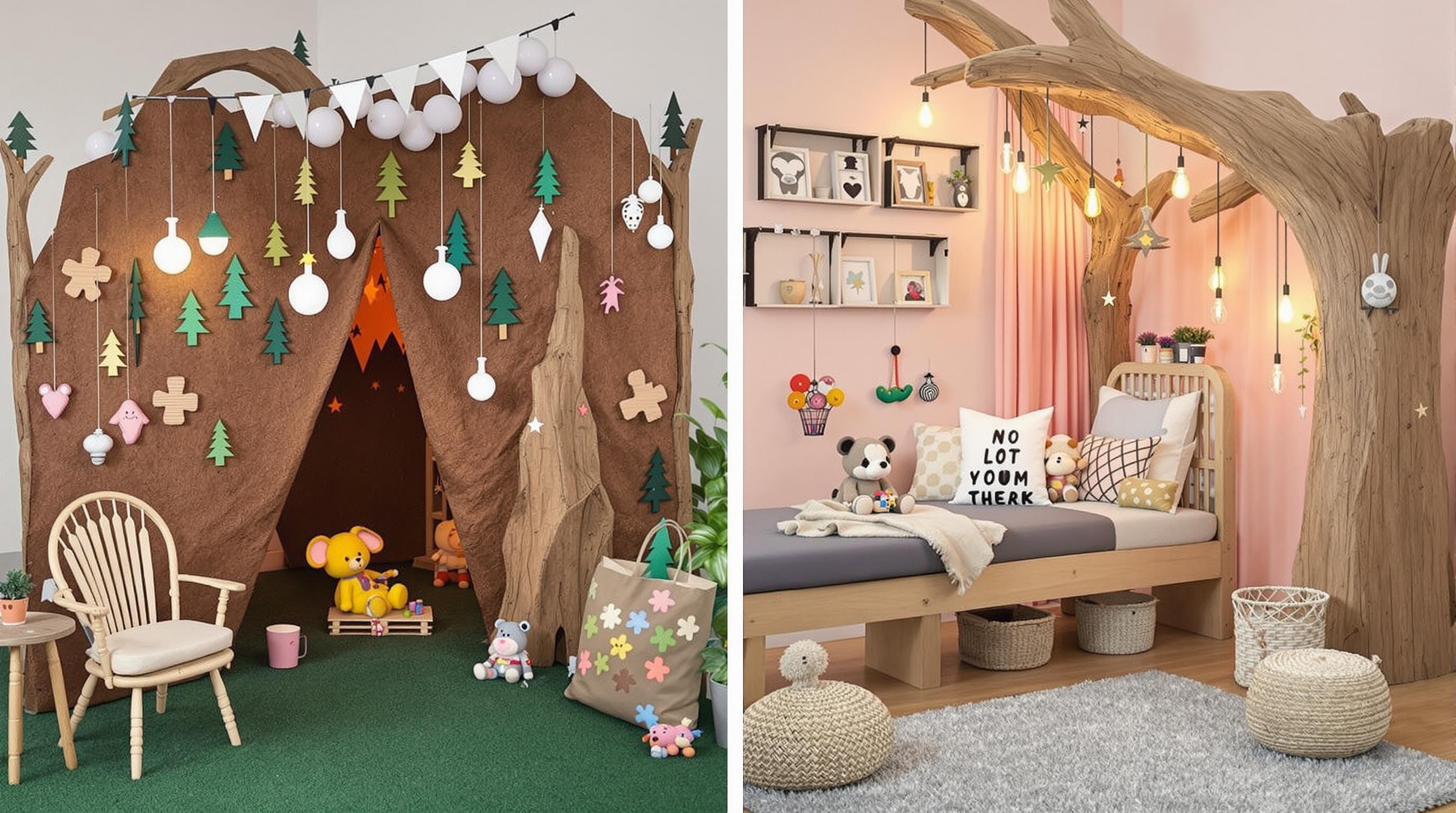
- DIY Play Zones: Turn an old tent or cardboard boxes into playhouses, encouraging imaginative play while minimizing waste.
- Creative Lighting: Use string lights and mason jars to create enchanting nightlights, welcoming fairy-tale stories before bedtime.
Believe in Magic: The Psychology of Playful Decor
While whimsical decor may seem purely aesthetic, psychology plays an important role in how these environments stimulate children. A playful space reduces anxiety, enhances mood, and can even boost focus. According to a study by the American Psychological Association, bright colors and playful decorations can lead to increased feelings of happiness (Elliot & Maier, 2014). So, let’s fill those rooms with whimsy! Students in design programs often cite colorful environments as vital for creative stimulation, making a convincing case for vibrant designs in children’s rooms.
A Chat with a Young Designer
At just 25 years old, fashion and interior designer Anna Vasquez has turned her focus towards children's decor with an emphasis on sustainability. “It's amazing what you can create with just a little imagination and some leftovers from a project,” she says. “Kids thrive in colorful, surprising spaces, and using upcycled materials often leads to the coolest inventions.” Her mantra? “If it feels good, it’s good!” Anna was struck by the importance of whimsical decor while working with children during a summer camp. Reflecting on the joy that straying from the traditional creates, she embraces her role as a designer with both responsibility and excitement.
Finding Inspiration: Community and Online Platforms
For those looking to embark on this whimsical journey, various online platforms and local communities focus on upcycling. Websites like Pinterest and Instagram provide a trove of ideas and inspiration for transforming junk into decor. Local community workshops also open their doors to families interested in DIY projects. Plus, there are fantastic children’s programs available, like those from the non-profit organization Arts & Kids, which encourages locals to engage with art through repurposing found objects. It’s a fun way to combine arts and crafts with a strong sustainability ethic.
Gaining Skills and Creating Memories
Not only does upcycling foster a non-wasteful mindset, but it also equips children with lifelong skills. When kids engage in DIY decor projects, they learn planning, critical thinking, and even budgeting skills as they attempt to purchase additional materials. So much of what forms our creative selves comes down to finite decision-making throughout our journeys. By creating fun decor, children gain confidence in their artistic abilities and enjoy the satisfaction of building something with their own hands. Plus, these projects encourage quality time spent with parents or guardians, forging memories that last a lifetime.
Encouraging Sustainability: An Essential Takeaway
Statistics reveal that about 292.4 million tons of trash were produced in the United States alone in 2018, a staggering figure that encourages a call to action (EPA, 2019). There’s no denying that every small effort counts. By engaging in upcycling, families can help reduce waste while teaching children the value of sustainable living. What starts as whimsical decor can may blossom into a lifelong commitment to preserving our planet!
A Collaborative Finish Line
Whimsical Wasteland is about collaboration between family members, pooling creativity into acts of decor ingenuity. Whether parents, siblings, or even grandparents get involved, the finished product becomes representative of the combined efforts. Imagine a kid saying, “I painted that wooden stool with my mom!” or “This is the lampshade my granddad and I built from an old basket!” The joy derived from these accomplishments enhances relationships and encourages teamwork.
Incorporating Stories into Design
When telling stories through decor, families foster cultural connections that resonate years down the line. Whether it's a bookshelf crafted from reclaimed wood showcasing family stories within their timeless favorites, or a mural depicting a shared adventure, integrating narratives enriches any creative space. By allowing children to take the helm of their story and environment, whimsical decor becomes an intimate representation of personal history.
The Final Touch: Adding Personal Flair
What’s the conclusion to all this creativity? Personalization! Once you’ve created unique pieces, let your children contribute their artistic flair to the space. Give them paintbrushes or allow them to collaborate on additional decor, serving to amplify their investment in this whimsical wasteland. Children take pride in knowing they contributed to their surroundings, making the room feel special and uniquely theirs. Personal touches, such as putting their art on walls or allowing them to choose colors, can amplify their sense of ownership and comfort in their imaginative sanctuary.
Let’s Jump into the Whimsical Wasteland!
As we plunge into the whimsical wasteland of turned trash to imaginative decor, we discover a treasure trove of possibilities that await every family. By combining creativity with sustainability, we empower the next generation to think outside the box and embrace their imagination wholeheartedly. Join the movement of transforming junk into playful kids’ decor, and watch how it reconnects families while inspiring young minds.
In this time of increased awareness around environmental issues, children's spaces can not just be filled with potential but also symbolize conscious effort towards a greener future. Dive into the world of whimsy, where every discarded piece holds the potential for magic, and every moment spent creating can turn a house into a loving home, bursting with stories and imaginative play!
Related Articles