Featured Articles
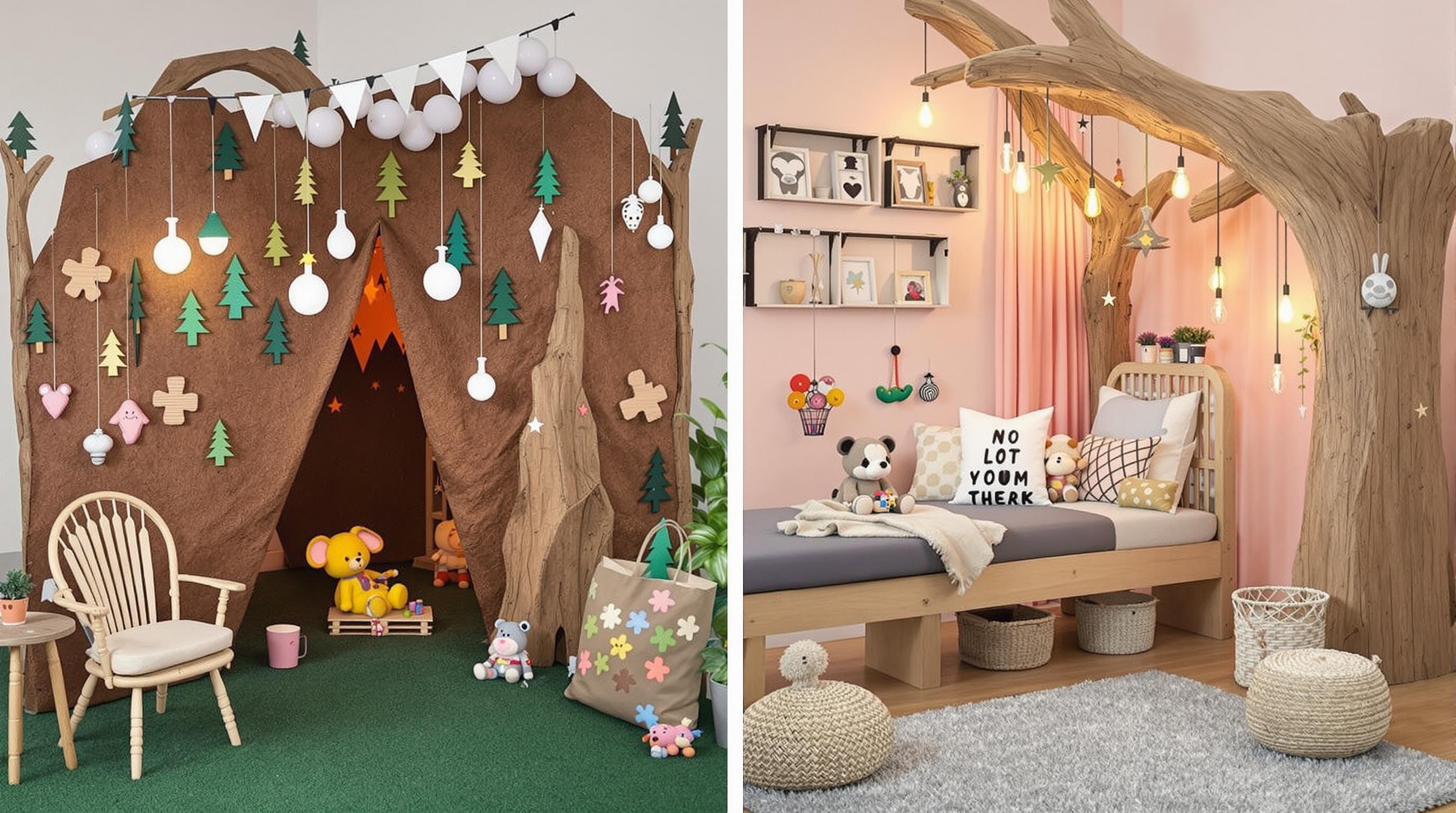
- 10 Creative Ways to Incorporate STEM Themes into Kids' Room Decor for Fun and Learning
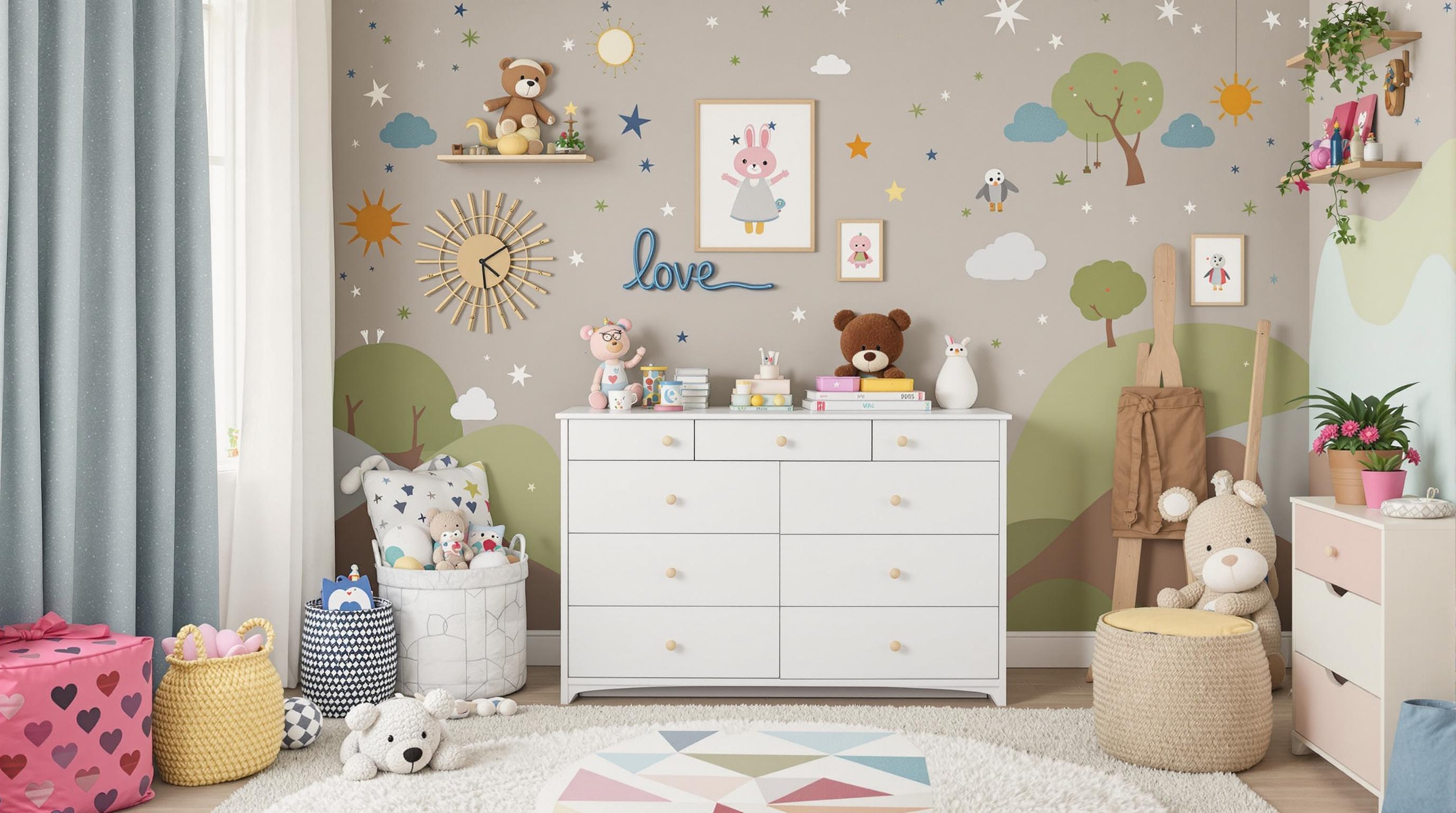
- 12 Quirky DIY Ideas for Transforming Kids' Spaces into Enchanting Worlds of Adventure and Playfulness
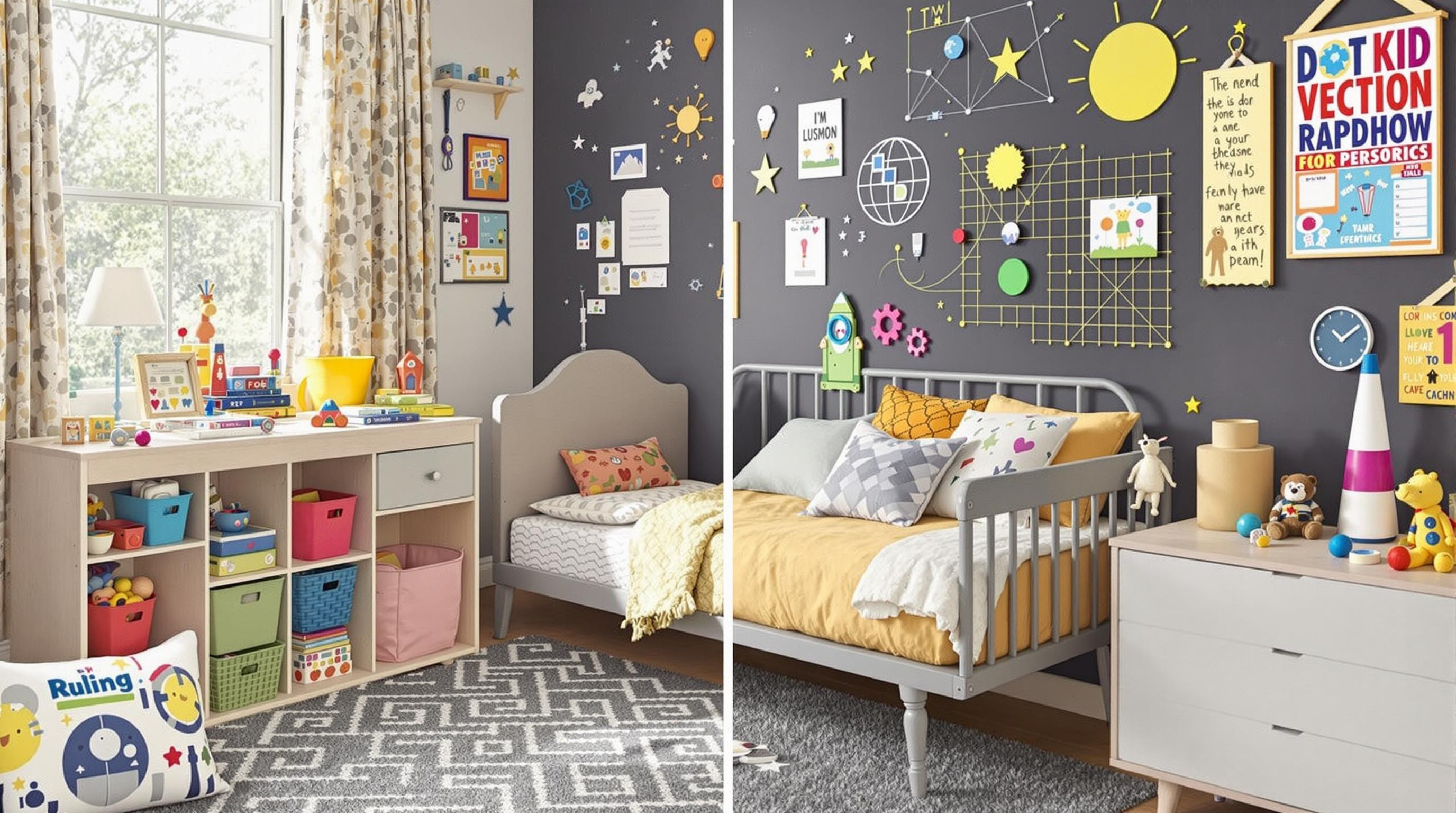
- 7 Unique Themes for Kids' Room Decor That Fuel Imagination and Creativity Beyond the Ordinary
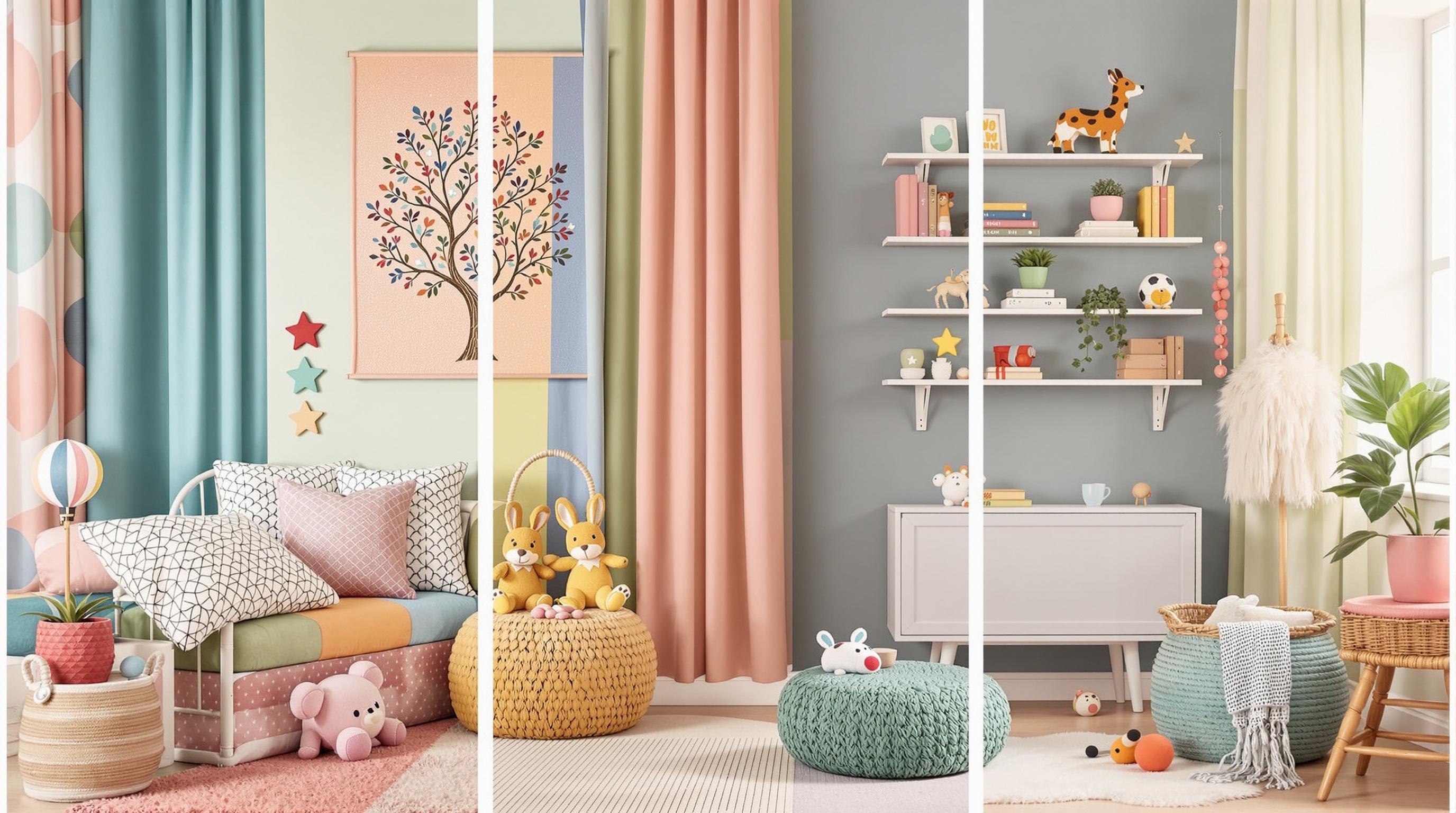
- 8 Enchanting Color Palettes for Kids' Decor That Spark Joy and Inspiration in Every Corner of Their World
- Whimsical Walls: The Rise of Interactive Murals in Kids' Decor and Their Impact on Imagination
Whimsical Wilderness: Transforming Kids' Rooms into Enchanted Forest Retreats
Whimsical Wilderness: Transforming Kids' Rooms into Enchanted Forest Retreats
Transforming kids' rooms into enchanted forest retreats can spark imagination and foster a deeper connection to nature. This article offers whimsical ideas, practical tips, and statistical insights into creating magical spaces that inspire creativity and play.
The Magic of Nature in Children's Spaces
In today’s technology-driven world, children spend an alarming average of 7 hours a day on screens (American Heart Association, 2019). With the enchanting features of an enchanted forest room, we offer a delightful refuge from the digital chaos, fostering real-life explorations and imaginative play.
Why Choose an Enchanted Forest Theme?
A whimsical wilderness serves not only as an aesthetic choice but as a tool for educational development. Children thrive in environments that stimulate their imaginations. According to a study by the University of Queensland (2015), children exposed to nature and natural themes showed significantly higher levels of creativity than those in more sterile environments.
Bringing the Forest Indoors: Key Elements
Creating an enchanted forest room comprises several vital elements. Each component plays a dual role—transformative design and cognitive engagement.
Colors that Embrace Nature
Consider a color palette that draws inspiration from the woods. Soft greens, vibrant florals, and earthy browns create a serene backdrop. The right colors can influence mood and behavior; studies indicate that green promotes calmness (Kirkley, 2013). Imagine a wall painted a lush green, with tree decals climbing to the room’s ceiling, immersing your child in a woodland dream.
Furniture that Inspires Adventure
Furniture should blend functionality with creativity. Think treehouse bunk beds, a desk that resembles a picnic table, or bookshelves shaped like logs. This furniture not only provides storage and play space, but it also contributes to cognitive engagement by inspiring imaginative storytelling. Now! Which young explorer wouldn’t love to own a chair that looks like a mushroom?
Creative Lighting Ideas
Lighting is crucial in setting the enchanted atmosphere. Instead of harsh overhead lights, opt for soft fairy lights, lanterns, or even a star projector. According to the National Sleep Foundation, a well-lit room conducive to a peaceful atmosphere helps children sleep better, making it essential for bedrooms. Imagine your child drifting into a woodland fairy tale at night as twinkling stars circle the ceiling.
Functional Decor: Blending Form with Playfulness
Don’t overlook the power of decor in this whimsical transformation. Consider adorned walls, plush animal friends hiding in nooks, or creative art inspired by nature. You can purchase prints from platforms like Etsy that showcase mystical forest landscapes or create DIY crafts with your child that can hang on the wall.
Plants and Nature-Inspired Textiles
Integrating soft textures and natural elements through textiles encourages a tactile experience. Drape curtains with leaf prints, use rugs shaped like leaves, and scatter cushions resembling woodland creatures. Plants, even low-maintenance ones like succulents, can breathe life and freshness into the space, promoting psychological well-being (Kaplan & Kaplan, 1989). But beware of the indoor jungle—no child wants to end up with a spider plant in their hair!
Sky-High Designs: Murals and Wallpapers
Paint a picture, quite literally! Murals or wall decals of sky and trees can elevate the room to new heights. Local artists or creative platforms like Murals Your Way could help customize your design. Imagine a sunrise over a forest canopy that leads to the ultimate bedtime story about adventure and exploration!
Children’s Input: Collaborative Creation
Inviting children to participate in designing their enchanted retreat encourages ownership and excitement about their space. Ask them about their favorite wild animals or forest creatures. Get out the crafting supplies and create DIY decor together. Focused involvement not only enhances creativity but also increases self-esteem as they take pride in their personalized haven.
Budget-Friendly Decorating Tips
Transforming a room doesn’t have to break the bank. Look for second-hand furniture you can refurbish, and take a trip to your local thrift store for whimsical decor and creative finds. Online platforms such as Pinterest offer an abundance of DIY ideas perfect for a budget-savvy parent. Initially, average U.S. families spent approximately $1,200 on children’s bedroom decor in 2020 (Statista, 2021). But why not save that cash for more adventures instead?
Some Final Thoughts: Embracing the Wilderness Spirit
Infusing vibrant passion into a child’s space offers a haven for imagination rather than just a bedroom. When designing your enchanted forest retreat, keep in mind that the ultimate goal is to create a lively, welcoming space where creativity flourishes.
The Benefits: More Than Just Aesthetic Appeal
When your kids feel at home in their whimsical wilderness, research suggests potential benefits go beyond playfulness. A 2019 study by researchers at the University of Illinois found that children with more enriched environments develop better social skills and emotional intelligence. So in effect, designing this space isn’t just about aesthetics—it’s about enriching their minds and fostering their growth. You never know; they might just concoct a new fairy tale destined to become the next blockbuster animation!
Confessions of a 25-Year-Old Mom
You might think I’m overly invested in this whimsical idea because I'm a mom in her twenties with a penchant for creative parenting. However, turning my kid’s room into an enchanted forest has offered both of us immense joy. One day, amidst the lush green walls, my son excitedly told me he met a talking tree in his dreams. I had to fight both laughter and tears simultaneously. Who wouldn’t want that magic to linger just a bit longer?
A Call to Create
As you consider making these enchanting changes, remember that every element serves a purpose beyond decoration. Spaces designed with intention foster imagination and encourage a love for nature. So grab those paintbrushes, channel the magic of the wilderness, and transform your kids' room into a fantastical retreat that will spark joy now and memories for a lifetime!
In the end, an enchanted forest is more than just decor; it’s a journey into the amateur wilderness of our children’s hearts and minds—a whimsical place where they can explore, create, and grow. So go ahead, let that creativity flow and take the plunge! Your child is waiting to dance amid the whispers of the trees.
Related Articles