Featured Articles
- 10 Creative Ways to Incorporate STEM Themes into Kids' Room Decor for Fun and Learning
- 12 Quirky DIY Ideas for Transforming Kids' Spaces into Enchanting Worlds of Adventure and Playfulness
- 7 Unique Themes for Kids' Room Decor That Fuel Imagination and Creativity Beyond the Ordinary
- 8 Enchanting Color Palettes for Kids' Decor That Spark Joy and Inspiration in Every Corner of Their World
- Whimsical Walls: The Rise of Interactive Murals in Kids' Decor and Their Impact on Imagination
Whimsical Wilderness: Transforming Kids' Rooms with Biophilic Design and Nature-Inspired Decor
Whimsical Wilderness: Transforming Kids' Rooms with Biophilic Design and Nature-Inspired Decor
Biophilic design harnesses the beauty of nature, transforming kids' rooms into whimsical wildernesses that inspire creativity and foster well-being. By incorporating natural elements, colors, and textures, parents can create nurturing spaces where children can thrive emotionally and cognitively.
The Power of Nature in Children's Spaces
Did you know that children spend an average of 6-7 hours a day in front of screens? This statistic, provided by the American Academy of Pediatrics, underscores the alarming disconnect between kids and the natural world. Biophilic design is not merely a trend; it's an essential movement that addresses this concern by fostering a physical and psychological connection to nature.
A Journey into Biophilia
At its core, biophilic design seeks to immerse the inhabitants in nature, creating environments that reflect the calming and invigorating aspects of the outdoors. Just picture a bedroom adorned with deep green hues, wooden accents, and plush botanical-themed pillows. It's easy to see how such a space would be magnetic not only for little ones but also for the parents who wish to cultivate a sense of peace at home.
Statistics That Speak Volumes
Research indicates that children exposed to natural elements in their environments have lower stress levels and improved concentration. According to a study conducted by the University of Illinois, kids with views of green landscapes scored significantly higher in cognitive development assessments than their peers confined to urban settings. Biophilic design is undoubtedly a smart investment!
Color and Texture: The Language of Nature
Colors do more than beautify; they influence behavior and emotions. In a biophilic children's room, consider incorporating earthy colors like soft browns, soothing greens, and sky blues. These shades evoke feelings of serenity and safety, wrapping children in a comforting embrace that encourages creativity and deep sleep.
Texture also plays a vital role. Imagine the coziness of a cork rug or the organic feel of a jute basket. Bring in plush cushions shaped like leaves, or blankets that mimic the feel of tree bark. Engaging the senses can enhance a child's play experience, prompting imaginative storytelling based upon their surroundings.
Plants: Your New Best Friends
Introducing houseplants can significantly boost the biophilic essence of a child's room. Plants such as spider plants or pothos are not only easy to care for but also filter air pollutants, providing a healthier environment. A small indoor garden can help children learn responsibility and the importance of nurturing living things. Plus, having a little “wilderness” inside adds an exciting explorer aspect to the room.
As a whimsical story, consider the adventures of "Lilly the Leaf." Lilly, a cheerful little fern, tells her young owner stories at bedtime about the forest and the animals that inhabit it. This engaging narrative encourages a love for nature and helps children learn about the ecosystem, all while providing a charming element in their room.
Building a Nature-Inspired Gallery Wall
Art speaks volumes in children’s spaces. Consider creating a nature-inspired gallery wall filled with framed botanical prints, animal illustrations, and even photographs taken on family hikes. This charming tribute to nature transforms a simple wall into an interactive canvas reminiscent of a vibrant forest or lively safari.
For something even more whimsical, why not involve the kids? Encourage them to paint their interpretations of nature or create collages from cut-out pictures of animals and plants from magazines. This not only personalizes their space but also allows them to showcase their artistic skills!
Furniture: The Furniture of Mother Nature
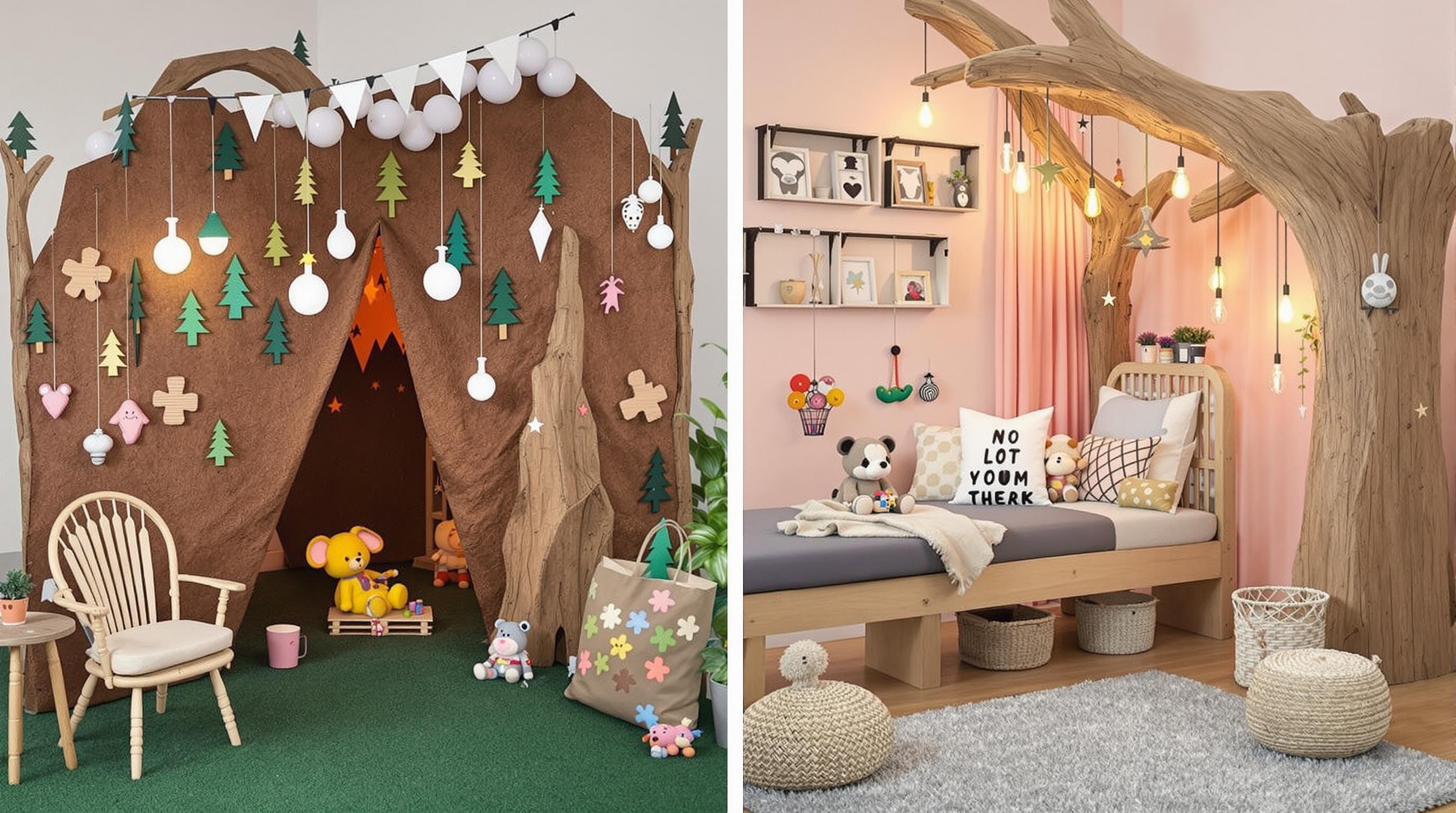
When it comes to furniture, look for pieces that incorporate natural materials and shapes. Curved wooden beds or tables reminiscent of tree branches invite children to explore and engage actively with their surroundings. Consider multi-functional furniture that provides utility while also offering an organic aesthetic. A wooden bench that doubles as a toy chest can keep the room tidy while adding an element of playfulness.
There’s fun in finding eco-friendly furniture options that mimic nature’s designs. If you’re shopping for beds or chairs, look for those made from sustainable materials such as bamboo or reclaimed wood. Not only do they add an earthy vibe to the room, but they also promote better environmental practices, teaching kids the importance of sustainability.
Case Studies of Successful Transformations
Take a moment to explore the story of a family from Seattle who embarked on a biophilic makeover of their children’s rooms. Determined to reduce screen time and encourage outdoor play, they integrated nature-inspired themes throughout the space. They painted the walls a calming sky-blue, adorned ceilings with glow-in-the-dark stars, and installed a reading nook surrounded by live plants. The result? Their children spent more time reading, drawing, and imagining adventures, leading to noticeable improvements in their creativity and focus.
Creating a Storytelling Corner
Storytelling is an ancient practice that has evolved with generations, prompting imagination and creativity in both the teller and the listener. Designing a dedicated storytelling corner in a child's room can make a significant impact on their cognitive development. Fluffy cushions, whimsical lighting, and cozy blankets can create an enchanting space that invites children to share adventures, steeped in nature and magic.
Encouraging children to engage with stories featuring nature can further strengthen their connection to the natural world. The whimsical “forest nooks” created in children’s rooms can become places where they explore the narratives of characters overcoming challenges and embarking on quests amidst trees and rivers.
Bringing Nature Indoors: DIY Decor Ideas
Not all whimsical wilderness transformations have to be expensive! Here are a few do-it-yourself decor ideas that incorporate nature while keeping costs down. For an enchanting forest vibe, create your own wall decals using leaf stencils and paint. You can also collect sticks, twigs, and stones from local parks to make unique decorations like picture frames and hanging mobiles.
Have fun with dreamcatcher crafts, using vibrant yarn and feathers found on nature walks. These DIY projects not only enhance the room’s aesthetics but also build a solid bond between you and your child, reinforcing the importance of creativity and nature.
The Transformative Power of Nature-Inspired Decor
It’s essential to remember that designing a kids’ room is not solely about aesthetics or trends; it’s about fostering development and emotional well-being. Biophilic design plays a crucial role in shaping kids’ emotional health, promoting peacefulness and creativity through environments deeply inspired by nature. According to the Global Ecopsychology framework, natural spaces help reduce anxiety, depression, and behavioral issues in children. Take this into consideration as you embark on your journey to create a whimsical wilderness in your child’s room.
In essence, the goal of transforming a child's space into a whimsical wilderness is to create a sanctuary where they can learn, play, grow, and dream. By adopting biophilic principles and implementing nature-inspired decor, you are providing them a delightful and nurturing environment conducive to exploration and imagination.
To Sum Up: A Call to Action
So grab your paintbrush, craft supplies, and a willingness to explore! Start your transformation today and watch as your child's bedroom evolves into a whimsical wilderness where creativity thrives. Let’s bring them back into nature, one leaf, one color, and one inspiring piece of decor at a time!
Remember: your child's world can be as vast as a forest and as vibrant as a field of flowers. The only limit is your imagination!
Related Articles