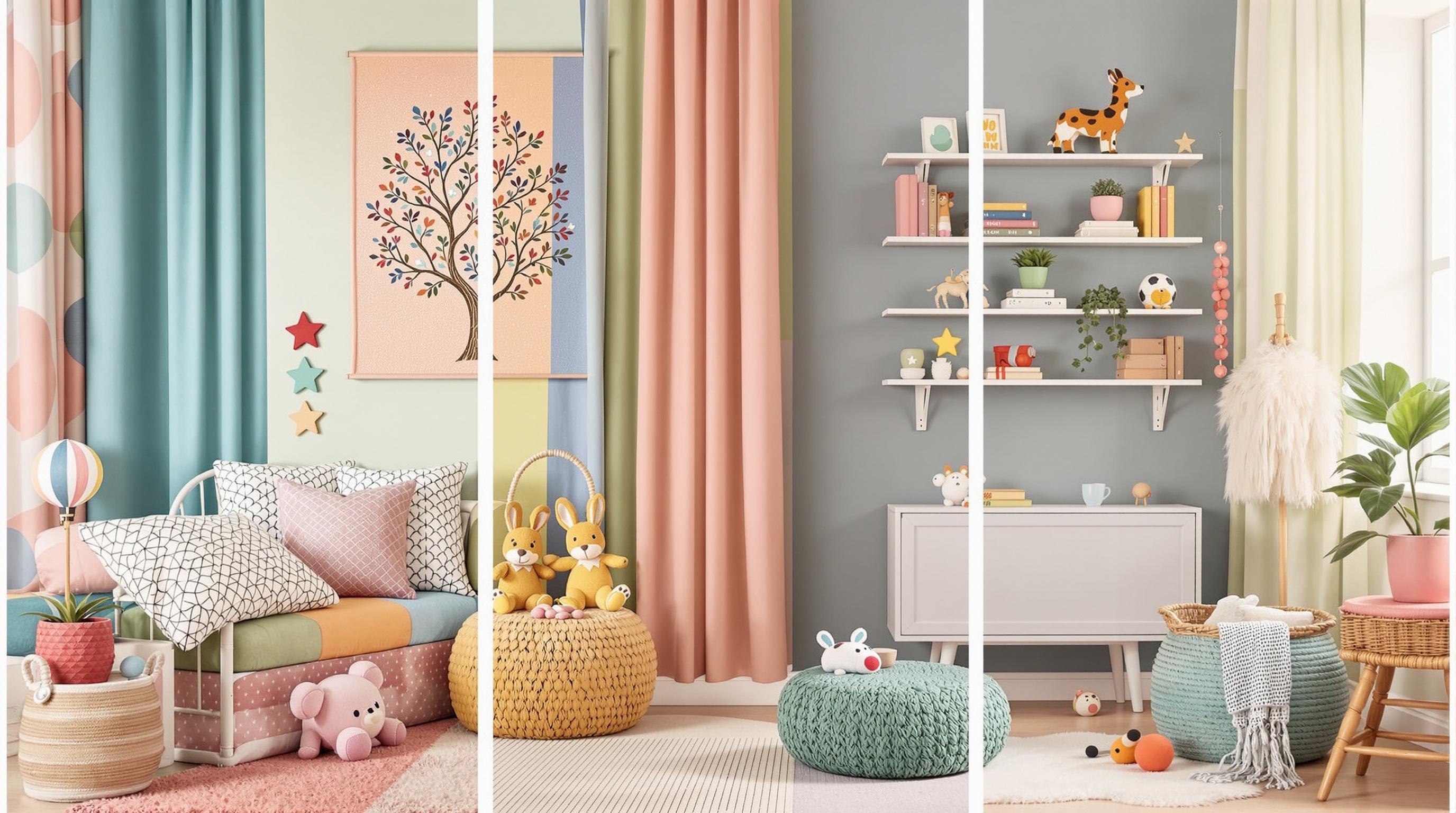
Featured Articles
- 10 Creative Ways to Incorporate STEM Themes into Kids' Room Decor for Fun and Learning
- 12 Quirky DIY Ideas for Transforming Kids' Spaces into Enchanting Worlds of Adventure and Playfulness
- 7 Unique Themes for Kids' Room Decor That Fuel Imagination and Creativity Beyond the Ordinary
- 8 Enchanting Color Palettes for Kids' Decor That Spark Joy and Inspiration in Every Corner of Their World
- Whimsical Walls: The Rise of Interactive Murals in Kids' Decor and Their Impact on Imagination
Whimsical Wilderness: Transforming Kids' Rooms with Nature-Inspired Decor for Imaginative Play and Learning
Whimsical Wilderness: Transforming Kids' Rooms with Nature-Inspired Decor for Imaginative Play and Learning
Bringing the beauty of the outdoors inside is more than just a design choice; it's a way to enhance imaginative play and learning in children's spaces. By transforming kids' rooms with nature-inspired decor, parents can create whimsical wilderness environments that foster creativity and exploration.
Why Nature Matters
Did you know that children who spend time in nature exhibit enhanced creativity and better cognitive functioning? According to a study published in the Journal of Environmental Psychology, natural environments can significantly bolster kids' imaginative play. This means that by incorporating nature into their rooms, you can provide an environment ripe for the exploration of ideas and learning through play.
The Elements of Nature-Inspired Decor
When embarking on a journey to create a whimsical wilderness in your child's room, consider the primary elements of nature that can be effectively represented through decor:
- Color Palette: Use earthy tones such as greens, browns, and soft blues to create a calming atmosphere. Pastel hues can represent flowers and spring skies, while darker shades can mimic forests and caves.
- Textures: Incorporate a variety of textures. Think of soft rugs resembling moss, wall decals that echo leaves, and knick-knacks that replicate branches or rocks.
- Nature Motifs: Consider using animal prints, floral patterns, or landscapes in wallpaper and bedding. These motifs can transport kids to a fairy-tale environment.
- Natural Materials: Wood, cotton, and linen are materials that can bring warmth and authenticity to the space, making it feel like a cozy forest retreat.
Incorporating Art and Play
Once you've established the physical decor, it's time to dive into imaginative play. Building a space that supports creative activities is essential. A beautifully painted tree mural or a crafted fairy door can invite the drama of storytelling and role-play.
Murals and Wall Decals
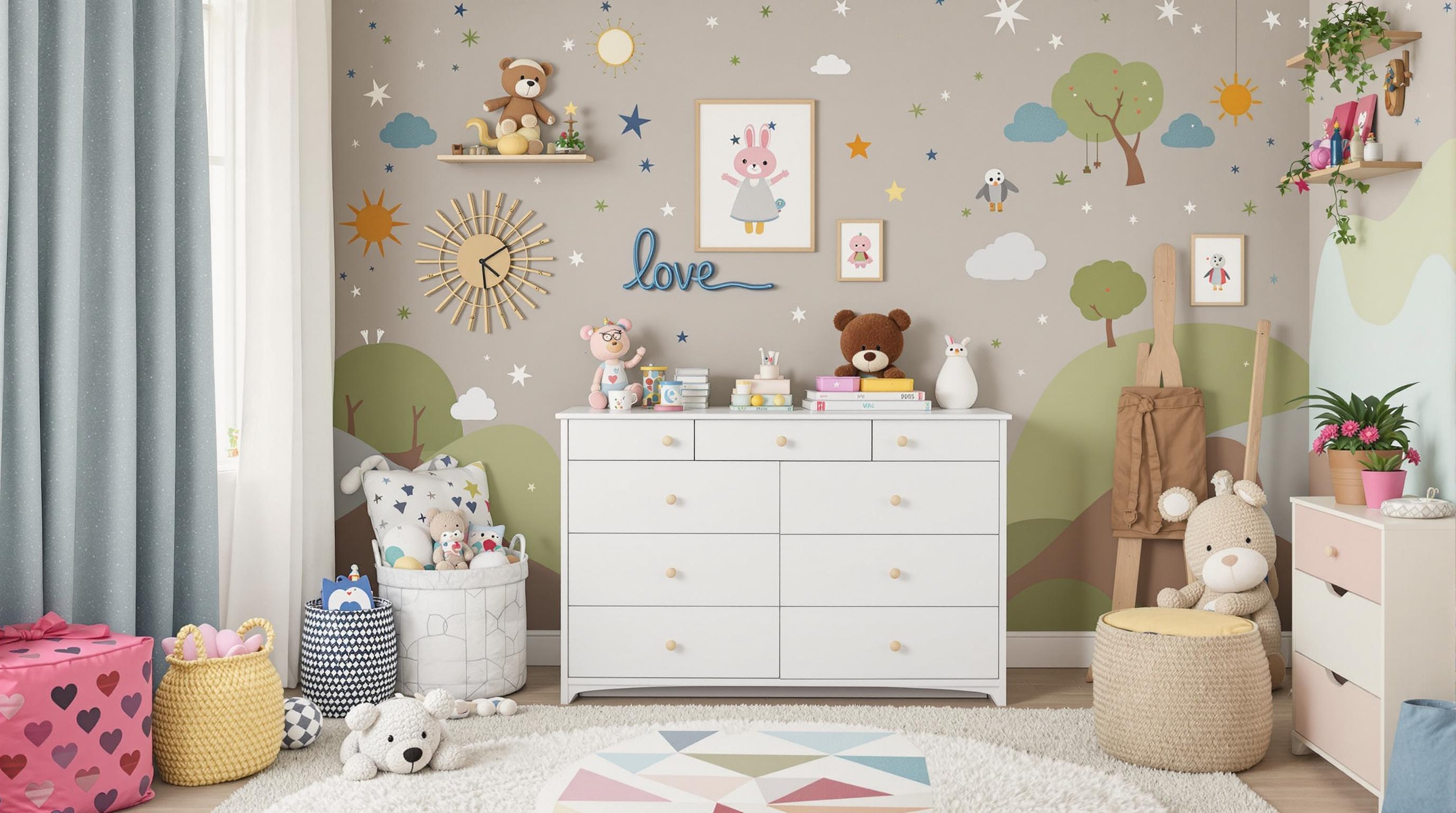
All it takes is a little creativity to turn a plain wall into a forest scene! Depending on your child's age, you could opt for a mural painted by a local artist or self-adhesive wall decals that can be easily repositioned. For example, a mural of a serene woodland scene may inspire adventure stories about forest creatures. On the other hand, with removable decals of fish and sea stars, a room can swiftly shift from a forest a la "Bambi" to an ocean adventure.
Case Study: The Johnsons
Meet the Johnsons, a family from Portland, Oregon, who transformed their son Tommy's room into a nature wonderland. They painted the walls a pastel blue to represent the sky, then added clouds with a stencil. Tommy, who used to struggle with imaginative play, now spends hours reenacting stories about flying high with birds or sailing across vast oceans. Tommy's mother reports that his creativity has flourished; he's even started drawing his own illustrations for the stories he invents!
Textiles and Soft Furnishings
Mixing and matching textiles can play a significant role in enhancing the wilderness atmosphere. Nature-themed quilts, tree stump-shaped cushions, and animal-print curtains not only provide comfort but also add a playful touch to the decor.
Reading Nooks and Adventure Corners
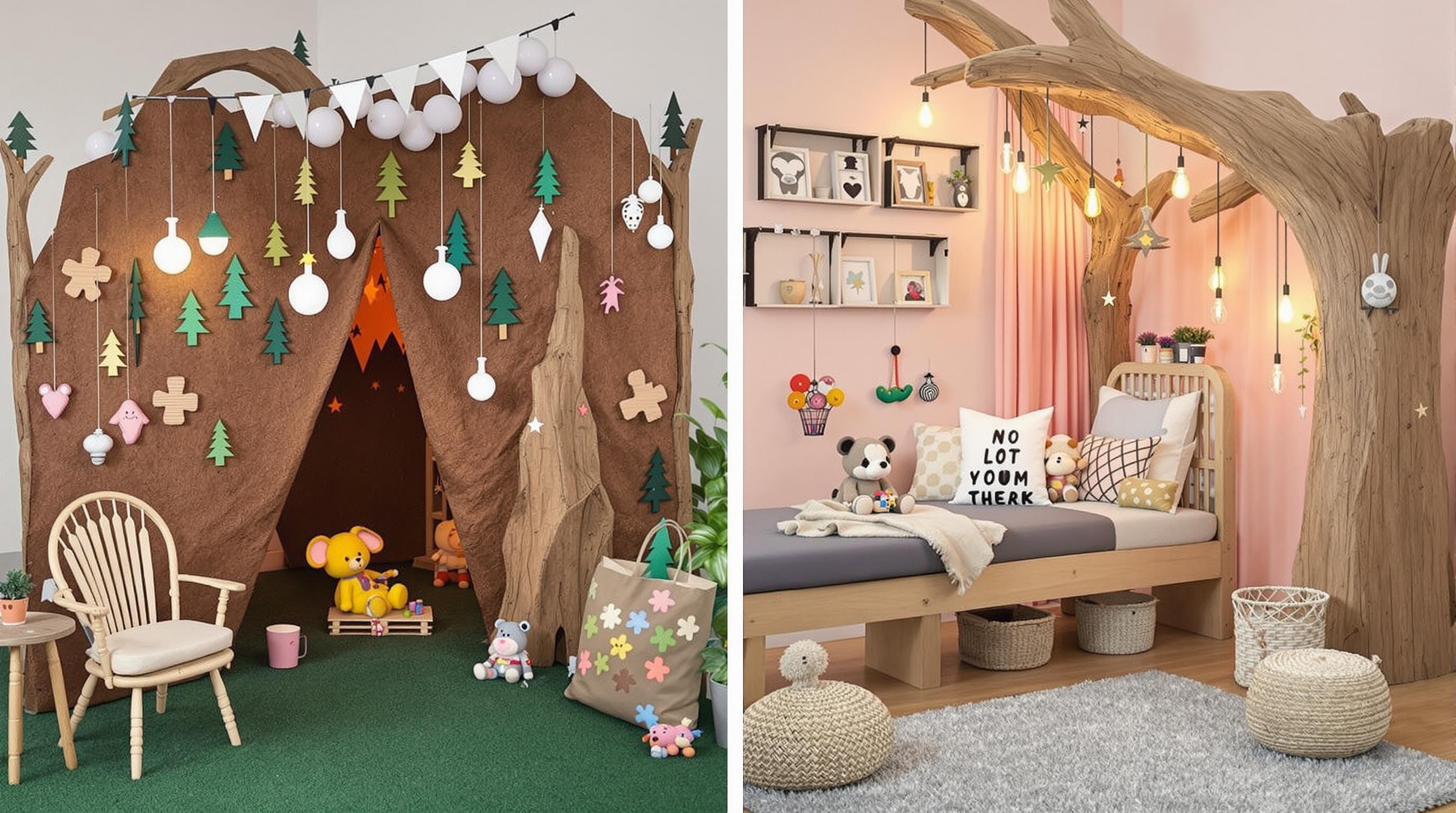
Creating an intimate reading nook adorned with a tent made from a colorful fabric can encourage quiet time and imaginative escapism. Filling it with cushions that look like pillows made from boulders and adding lantern-style bedside lamps can transform that corner into a magical retreat. According to the American Academy of Pediatrics, reading to children fosters early brain development, and creating a cozy space can make this activity even more inviting.
Statistics on Imaginative Play
Imaginative play is not just child's play. According to the National Association for the Education of Young Children, children who engage in regular imaginative play develop better social skills and emotional intelligence. By creating nature-inspired spaces, we promote essential developmental skills that kids will carry into adulthood.
Fun With Furniture
Think outside the box when selecting furniture. Instead of regular chairs, why not use bean bags shaped like turtles or stools resembling toadstools? For storage, consider tree trunk boxes or shelving that mimics hanging vines. Not only does this approach cut down on clutter, but it also aligns with the whimsical theme, providing both function and fun!
Lighting the Way
Lighting can transform a space from ordinary to extraordinary. Opt for pendant lights resembling lanterns or twinkling fairy lights that mimick stars in the night sky. Soft, warm lighting can evoke a sense of calm, enabling children to relax and immerse themselves in their surroundings.
Garbage to Garden
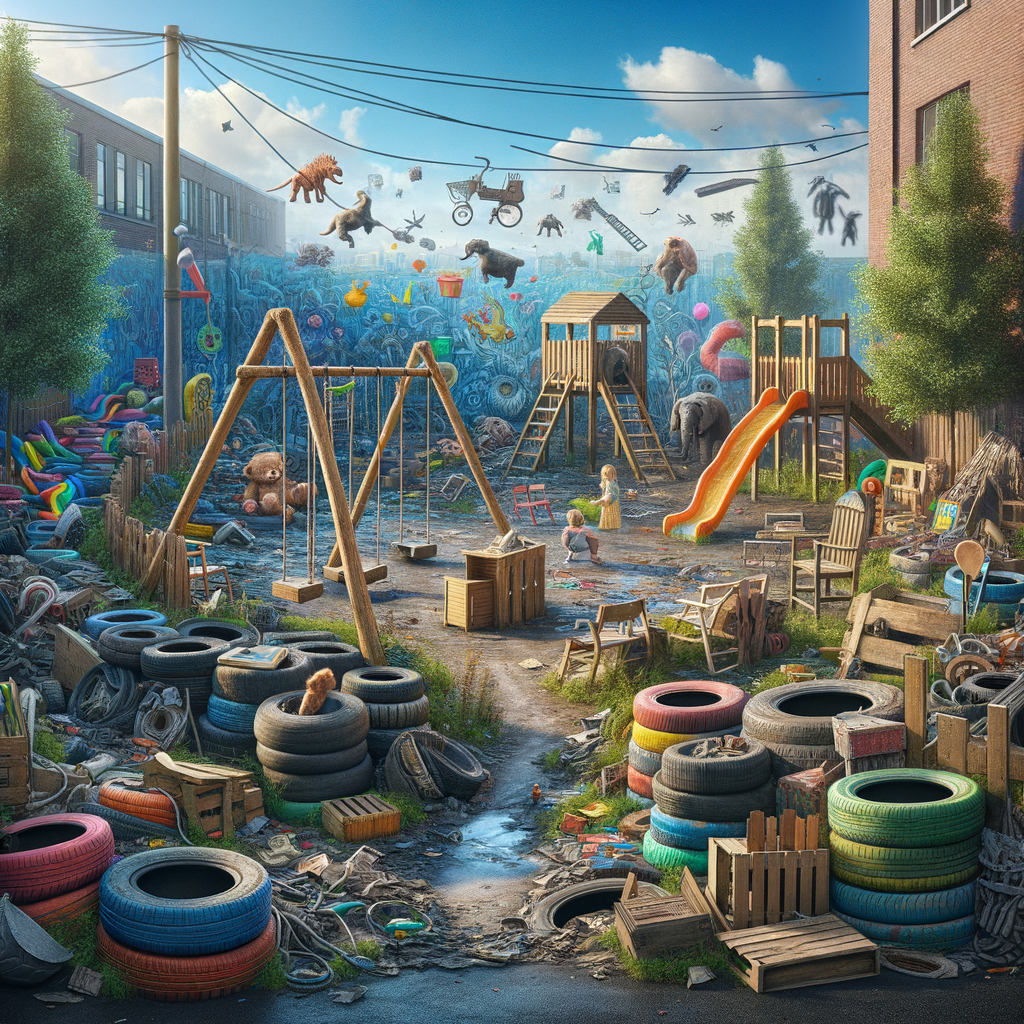
In a bid to teach eco-friendliness and sustainability, consider creating a garden-themed craft corner. Make use of recycled materials to craft decor items together with your child. For instance, turning old glass jars into terrariums can double as both a decor piece and a science project! The act of creating together can cultivate strong bonds, making the process of decorating extra special.
Involving Your Child in the Process
Don't forget to involve your child in the design process! Kids, as young as three, can articulate what they love or dislike. Present them with a mood board or Pinterest board featuring nature-themed designs and let them help choose their favorite elements. You might be surprised by how engaged they become when they realize they can influence their space.
A Personal Touch: Photo Collages
Consider hanging a photo collage of family outings to parks or nature hikes, perhaps alongside art created by your child. This adds a personal touch to the decor while simultaneously reminding them of the joy and adventure of being outdoors.
Things to Avoid
While it can be tempting to go all out with themes, remember to leave room for growth and change. Interior designer Rachel Havel warns against overly specific themes that may not resonate with your child as they grow. Elements of nature can be presented in a more abstract way, allowing the room to evolve over time.
Conclusion: A Nature-Inspired Investment
Creating a nature-inspired room is not only an aesthetic choice; it's an investment in your child's imaginative and cognitive growth. By providing an engaging environment filled with whimsy and wonder, you're facilitating a journey towards richer play and learning experiences. So, gather your tools, bring on the paint, and let your child's imagination run wild in the wondrous wilderness of their own room!
In the immortal words of the children's book author E.B. White, "It is not often that someone comes along who is a true friend and a good writer. Charlotte was both." Let your child's room serve as a canvas for friendship and creativity reminiscent of the pages of their favorite stories!
Related Articles