Featured Articles
- 10 Creative Ways to Incorporate STEM Themes into Kids' Room Decor for Fun and Learning
- 12 Quirky DIY Ideas for Transforming Kids' Spaces into Enchanting Worlds of Adventure and Playfulness
- 7 Unique Themes for Kids' Room Decor That Fuel Imagination and Creativity Beyond the Ordinary
- 8 Enchanting Color Palettes for Kids' Decor That Spark Joy and Inspiration in Every Corner of Their World
- Whimsical Walls: The Rise of Interactive Murals in Kids' Decor and Their Impact on Imagination
Whimsical Wonder: Exploring the Rise of Biophilic Design in Kids' Rooms for Nature-Inspired Creativity
Whimsical Wonder: Exploring the Rise of Biophilic Design in Kids' Rooms for Nature-Inspired Creativity
Whimsical Wonder explores the burgeoning trend of biophilic design in children’s rooms, highlighting how merging nature with creativity fosters imaginative play. By examining real-life case studies, expert insights, and statistics, this article showcases why a nature-inspired environment is vital for children’s development and creativity.
What is Biophilic Design?
Biophilic design is the practice of connecting indoor environments with nature. The term "biophilia" derives from the Greek words “bio” (life) and “philia” (love), emphasizing the inherent human affinity for the natural world. In kids' rooms, biophilic design encourages organic elements such as plants, water features, and natural materials, leading to healthier, more stimulating environments.
The Importance of Nature in Childhood Development
According to a study from the University of Illinois, children who spend more time in green spaces exhibit improved focus and reduced symptoms of attention deficit hyperactivity disorder (ADHD). It’s no wonder parents are increasingly interested in crafting children’s spaces that reflect nature's essence. By surrounding little ones with greenery, they’re helping nurture creativity, emotional well-being, and a sense of responsibility towards the environment.
Engaging Spaces for Imaginative Play
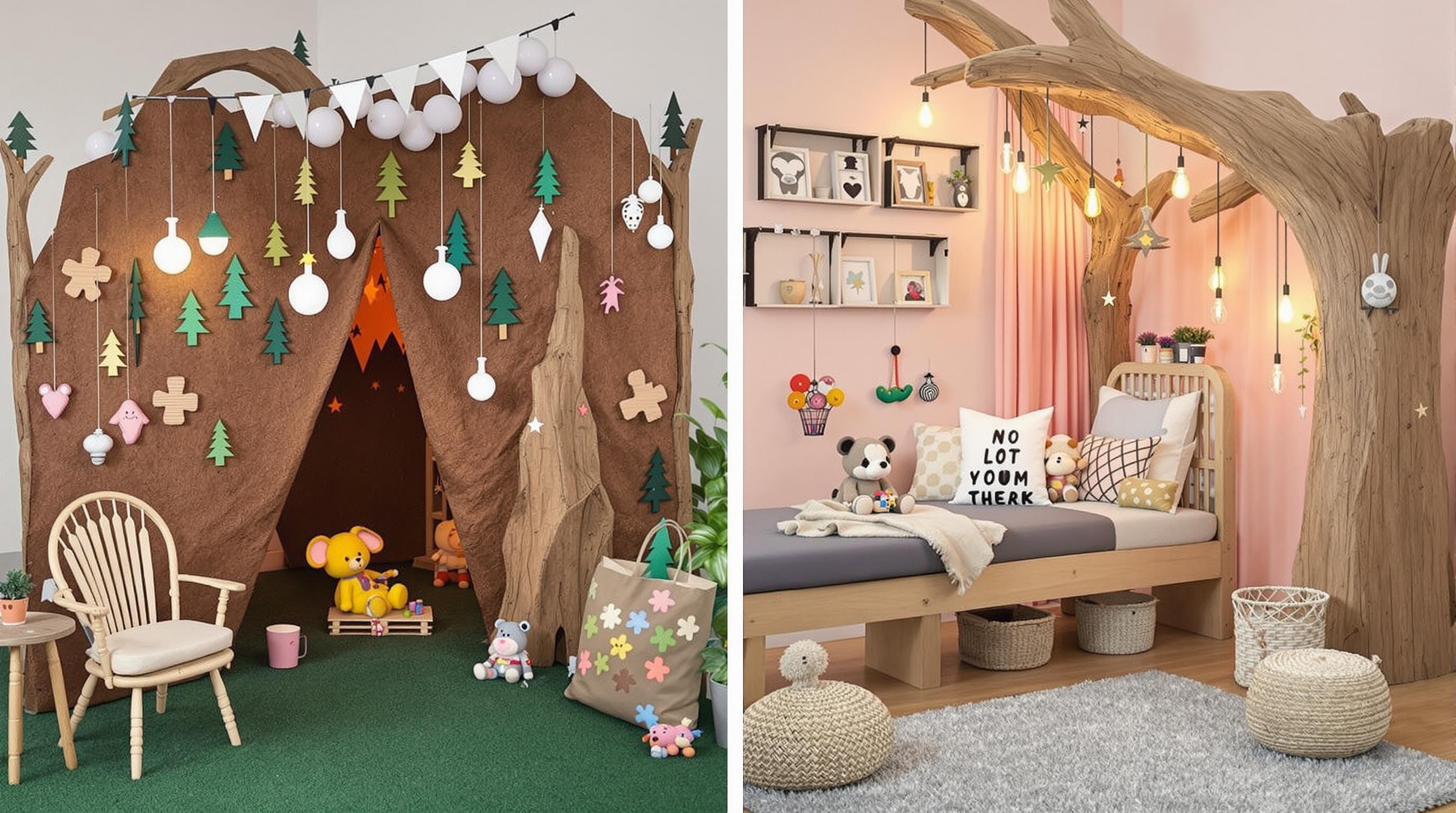
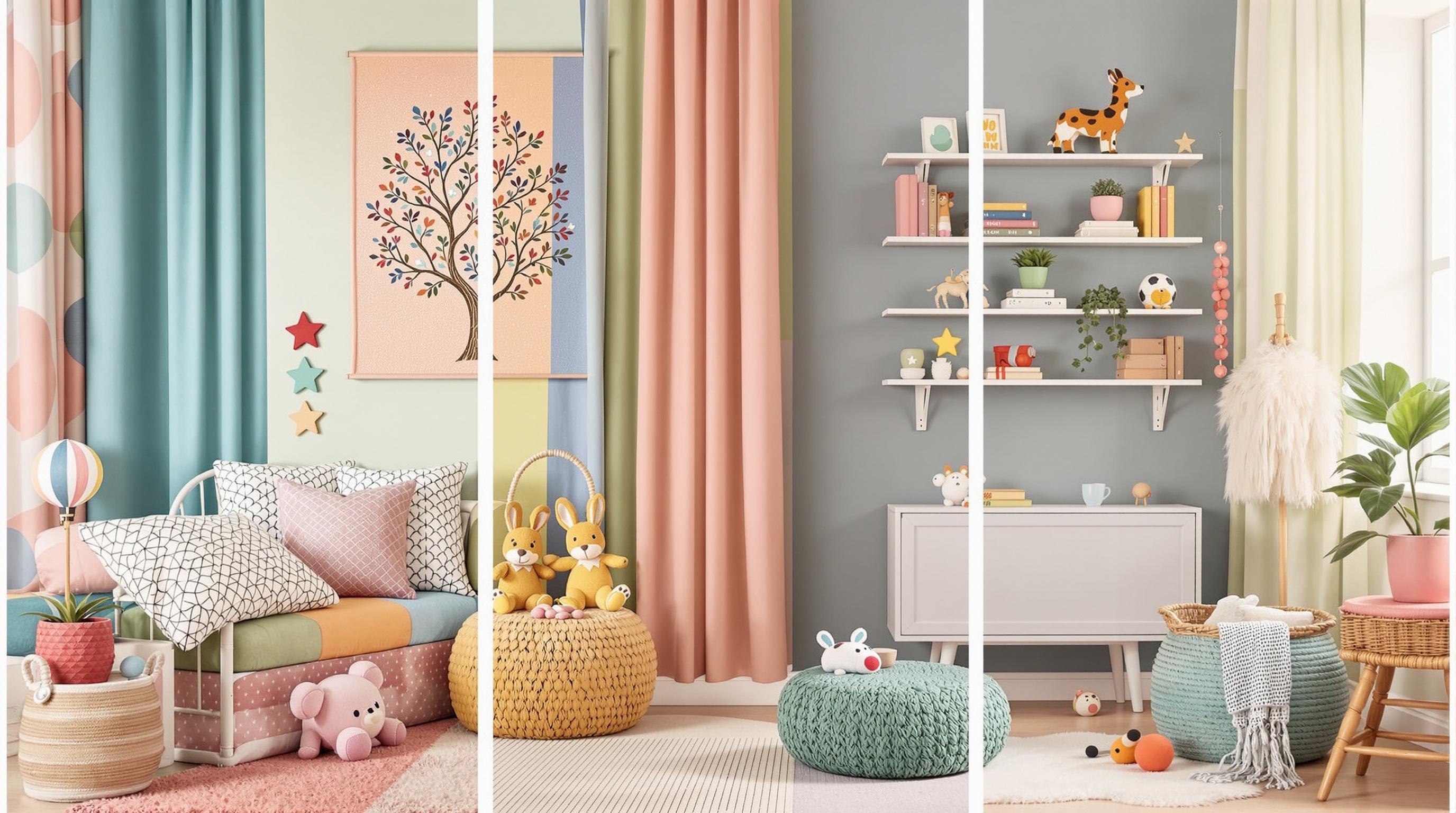
Imagine a child walking into a room where walls are painted with forest murals, the sunlight filtering through leaf-patterned curtains, and a cozy reading nook is nestled within the arms of a tree-like bookshelf. Such an environment not only sparks imagination but also celebrates the age-old ritual of storytelling and play.
A Case Study: The Eco-Craze in Kids’ Interiors
To examine the effectiveness of biophilic design, let's turn our gaze to the inspiring work by interior designer Maria Evans, who embraced eco-friendly materials in a client’s children’s room makeover. The room featured reclaimed wood furniture, indoor plants designed for air-purification, and whimsical decals of woodland creatures. The result? The children not only found a new space to explore their creativity but also developed an appreciation for sustainability that their parents found invaluable.
Playful Decor Options
When it comes to decor, the possibilities are as endless as a child’s imagination! A simple way to incorporate biophilia in your child’s room is through:
- Indoor Plants: Consider plants like pothos, spider plants, or even a small herb garden. They require low maintenance and contribute to better air quality.
- Nature-Inspired Textiles: Opt for bedding and curtains with floral or animal prints to bring the outdoors in.
- Natural Light: Maximize natural light with sheer curtains or light colors that reflect sunlight, creating a bright, cheerful space.
- Outdoor Views: If possible, positioning desks or play areas near windows can enhance the connection to nature.
The Psychological Benefits of a Nature-Inspired Space
Environmental psychologist Dr. Rachel Kaplan suggests that children thrive when they feel connected to nature. These connections can enhance cognitive functioning and social skills while also reducing anxiety (Kaplan & Kaplan, 1989). The calming aesthetics of plants and nature-themed decor can create a tranquil environment conducive to both play and rest.
Bringing Nature Indoors: The Role of Colors
Colors play a pivotal role in design, especially for a child’s room. Biophilic design often utilizes greens, browns, and blues, which are known to evoke a sense of calmness and creativity. A research study conducted by the University of Sussex revealed that children exposed to green environments showed a 25% increase in creative thinking.
Fostering Responsibility and Environmental Awareness
Engaging children with biophilic design translates into fostering environmental consciousness from a young age. Take, for example, families who set up small composting stations or recycling bins as part of their children's room. This hands-on approach creates lasting habits and an understanding of ecological responsibility. Children learn to care about their environment, transforming their playful space into a personal sanctuary that thrives in sustainability.
Humor Me: The Silly Side of Decorating
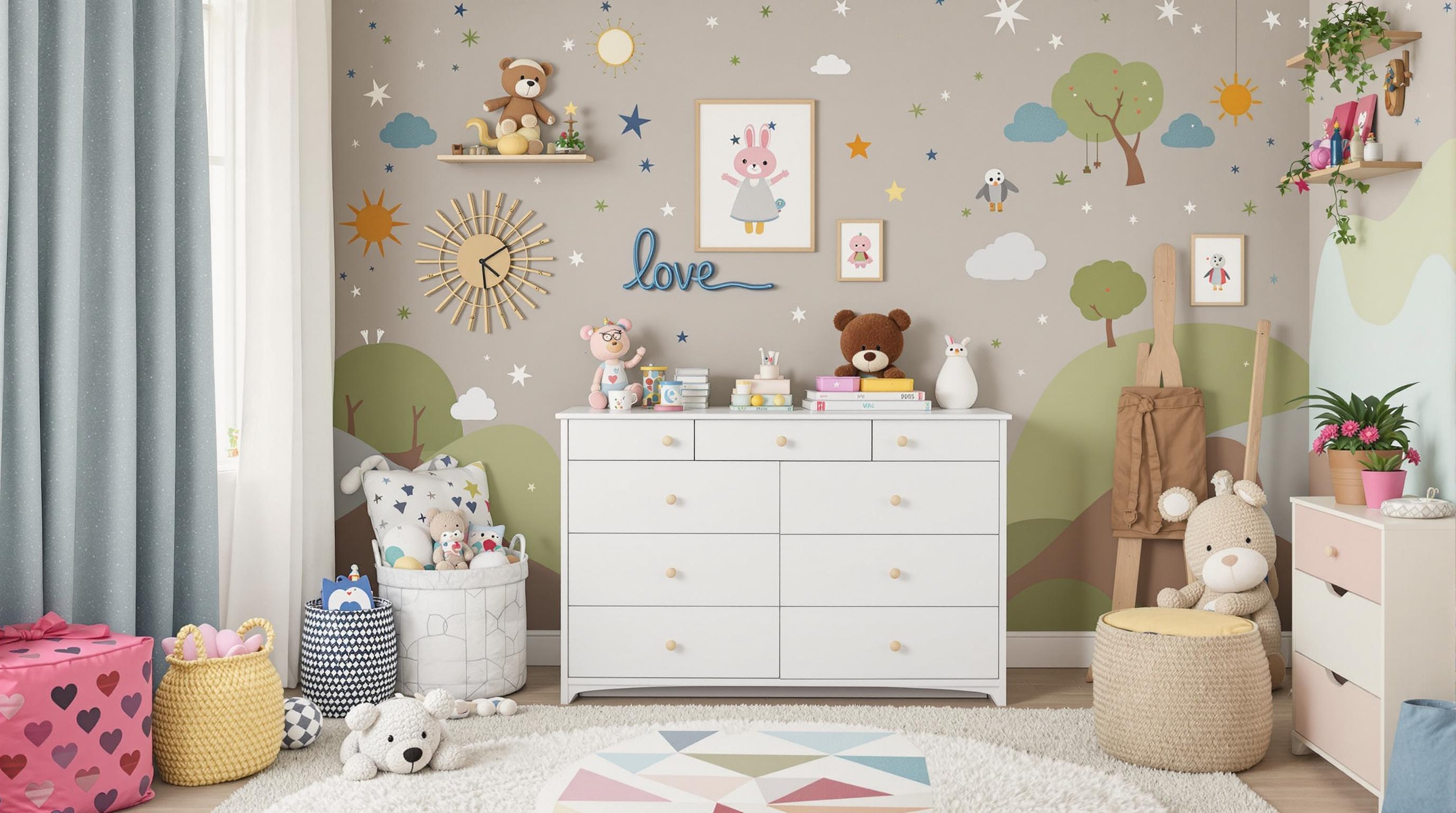
It doesn’t always have to be serious when creating whimsical spaces! For instance, why not consider a wall sticker of a tree with friendly cartoon owls wearing glasses, reading books? Or maybe a cute grassy lawn rug where, instead of just sitting, kids can imagine they are picnic-ing with unicorns? Allowing kids to engage in decorating can lead to unusual—but entertaining—outcomes. Picture this: a six-year-old who insists that their room should be themed around a 'jungle disco.' Why not? Jungle motifs paired with vibrant colors can create a space full of energy and frivolity!
Personalizing the Biophilic Space
Encouraging kids to personalize their spaces can also infuse a sense of pride and ownership, making them feel invested in their environment. Art displays, craft corners, and nature-music zones can make their room a personal reflection of their identity. Let them choose decorations based on what formats or elements bring them joy. Think about creating a nature corner where the children can showcase their tech-free, handcrafted items or mini finds from nature walks.
The Future of Children’s Spaces
As the world leans more towards sustainability, the future of children's design will undoubtedly see an even larger incorporation of biophilic principles. The 2020 Global Sustainability Survey suggested that 85% of parents consider eco-friendliness when furnishing their child’s space (Statista). This indicates a bright future where children can grow up appreciating and nurturing their environment, perhaps even advocating for it.
A Call to Action for Parents!
Parents, it’s time to prioritize the design of your children’s spaces. Why not consider a small project where you and your child can transform a portion of their room into a green sanctuary? Take them to a local nursery, allow them to pick plants, and find creative ways to integrate nature into their environment. The benefits are significantly impactful: improved mental health, fostered creativity, and a heart for sustainability. So grab those gardening gloves and paintbrushes—adventure is calling!
Making Nature Accessible
It is essential to consider accessibility, particularly for those living in urban areas where green spaces may not be close by. Urban gardening, vertical planters, and window boxes can be a creative answer to infusing your child’s room with nature while respecting limited space. Consider items like hanging planters where kids can cultivate their herbs, or DIY crafts that integrate natural elements to enhance creativity.
Conclusion: The Lasting Impression of Nature
In conclusion, biophilic design has emerged as a powerful tool in fostering children's creativity and connection to nature. By designing imaginative, nature-inspired rooms, parents can set the stage for their children to flourish physically, emotionally, and environmentally. With the right mix of humor, playfulness, and intentionality, the whimsical wonder of children’s spaces can lead to boundless growth and endless adventures.
Related Articles