Featured Articles
- 10 Creative Ways to Incorporate STEM Themes into Kids' Room Decor for Fun and Learning
- 12 Quirky DIY Ideas for Transforming Kids' Spaces into Enchanting Worlds of Adventure and Playfulness
- 7 Unique Themes for Kids' Room Decor That Fuel Imagination and Creativity Beyond the Ordinary
- 8 Enchanting Color Palettes for Kids' Decor That Spark Joy and Inspiration in Every Corner of Their World
- Whimsical Walls: The Rise of Interactive Murals in Kids' Decor and Their Impact on Imagination
12 Quirky DIY Ideas for Transforming Kids' Spaces into Enchanting Worlds of Adventure and Playfulness
12 Quirky DIY Ideas for Transforming Kids' Spaces into Enchanting Worlds of Adventure and Playfulness
12 Quirky DIY Ideas for Transforming Kids' Spaces into Enchanting Worlds of Adventure and Playfulness
1. Enchanted Reading Nook
Transform a corner of any room into an enchanted reading nook by using sheer fabric canopies. Drape the fabric above to create a whimsical atmosphere that encourages kids to dive into their favorite stories. Add some colorful cushions and whimsical lighting to create a cozy ambiance.
To make it even more magical, include some fairy lights around the nook or use glow-in-the-dark stars on the ceiling to spark imagination. A small bookshelf filled with vibrant storybooks will complete the look, inviting children to explore their literary adventures.
Encouraging reading in such an engaging space can help cultivate a lifelong love for books. According to the National Literacy Trust, creating a reading-friendly environment significantly impacts children’s literacy and love of literature.
2. Indoor Adventure Zone
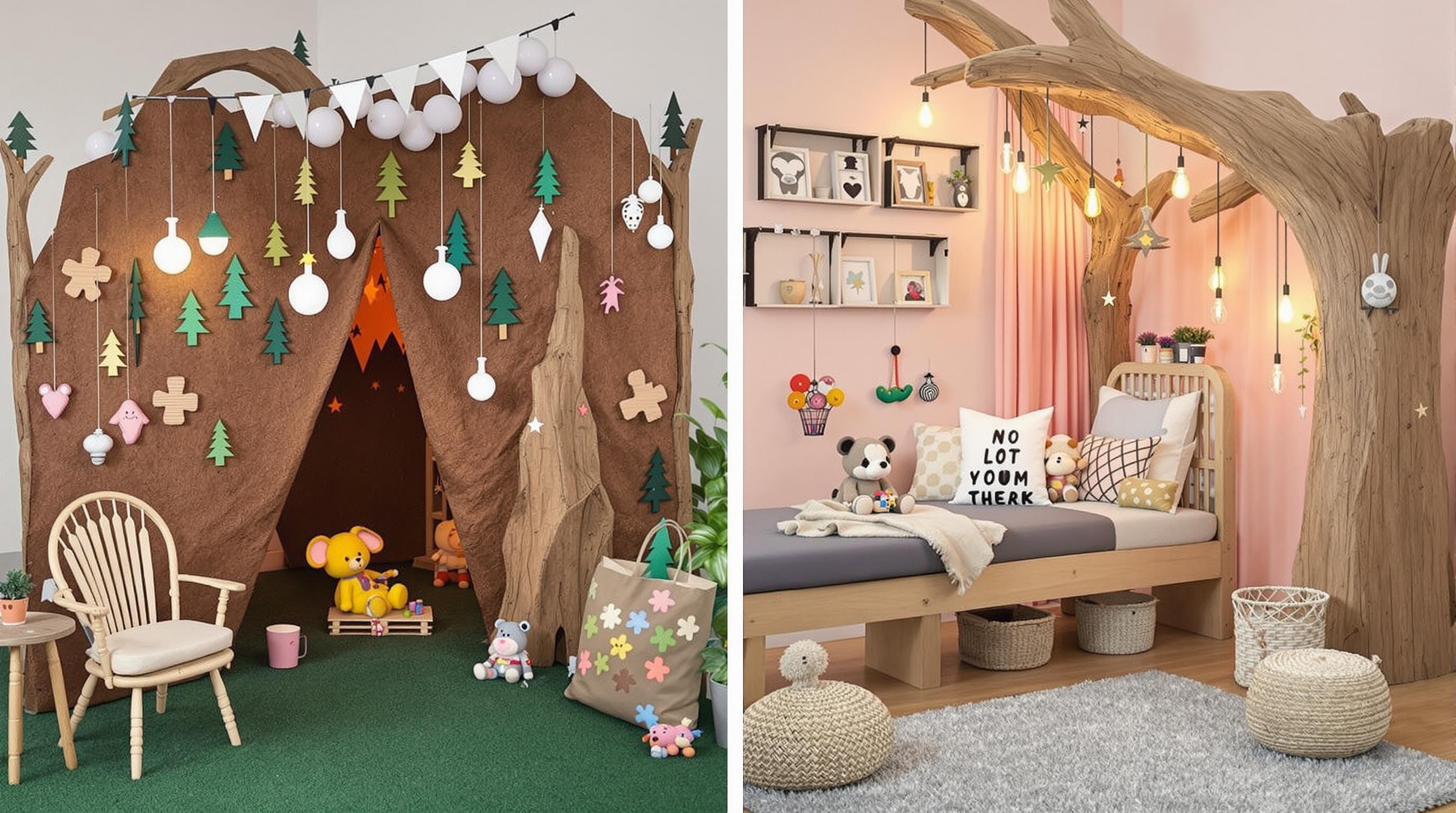
Transform a bland playroom into an indoor adventure zone using simple DIY projects. Use cardboard boxes to create tunnels and forts where kids can hide and explore. Decorate the tunnels with paints or stickers to reflect various themes such as jungles or outer space.
Adding climbing structures made from soft, repurposed materials encourages physical activity while maintaining safety. Use old blankets to create slides, and don’t forget to line the floor with soft cushions and mats for safe landings!
This DIY project fosters imaginative play and physical movement, which is essential for children. The American Academy of Pediatrics emphasizes the importance of play in developing children's physical and cognitive abilities.
3. Creative Wall Art
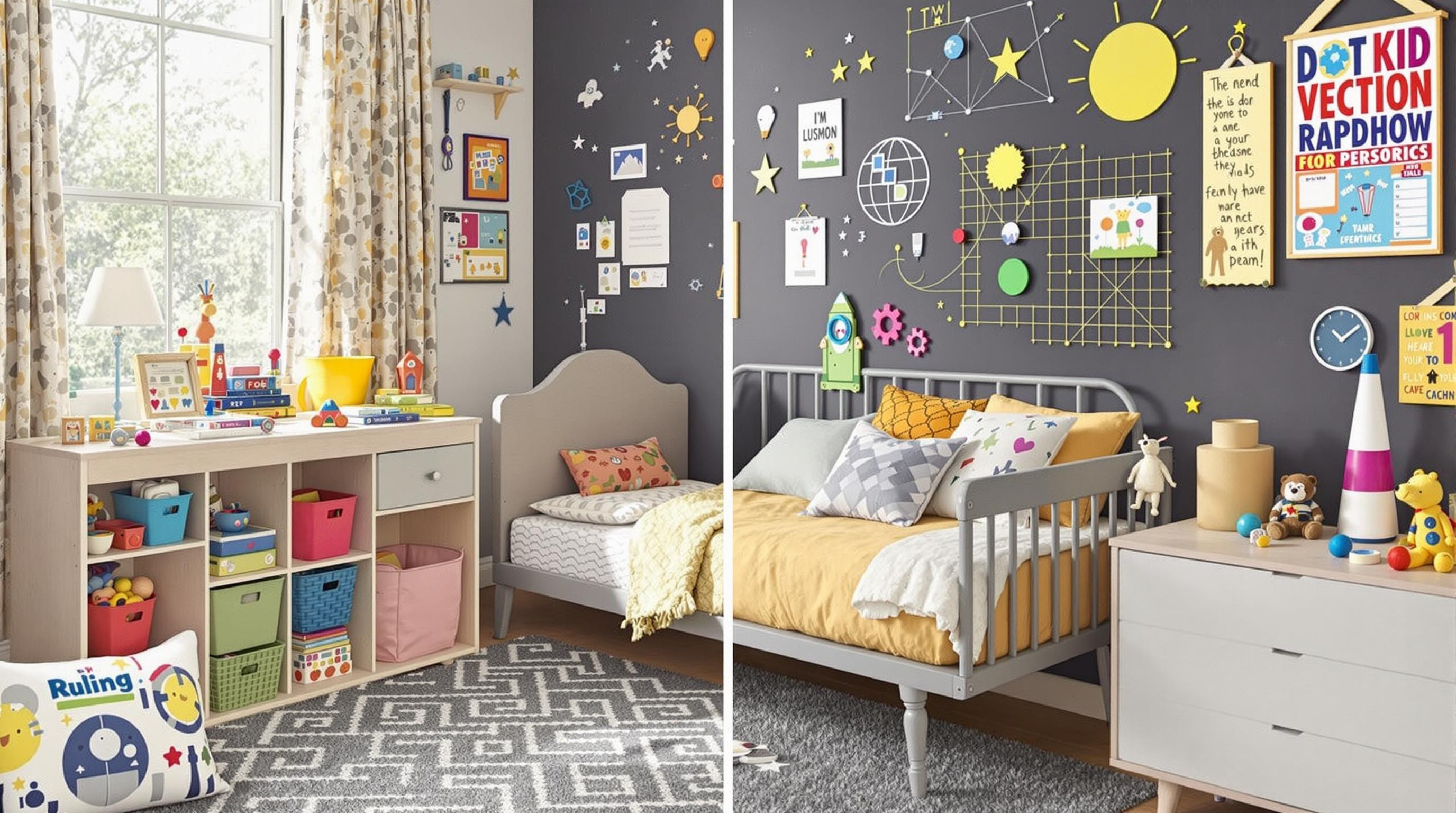
Let creativity flow by transforming plain walls into vibrant canvases. Kids can create their own masterpieces using chalkboard paint, allowing them to draw and erase as they please. This interactive feature allows for endless creativity and artistic expression, and can easily be updated as their skills grow.
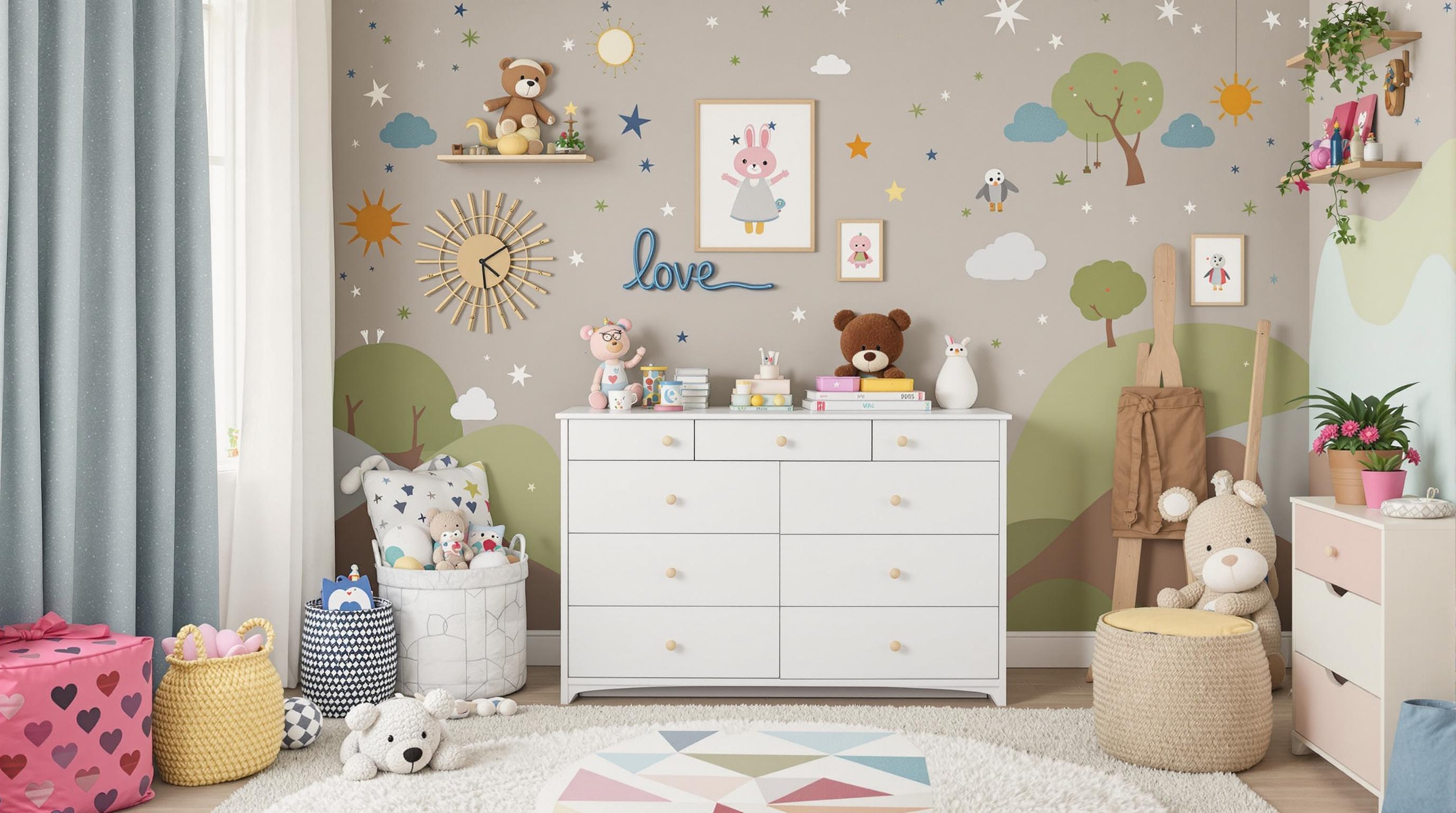
In addition to chalkboard walls, consider using removable wall decals that can depict a favorite story or theme. Kids can participate in this by helping to place the decals, making it feel like their own personal gallery.
Art enhances cognitive development in children, and providing them with a space to create their own art fosters confidence and self-expression. A study published by the California Arts Council highlights that children exposed to arts programs exhibit improved academic performance.
4. Themed Bed Canopy
A themed bed canopy can dramatically change the atmosphere of a child's bedroom. Choose a theme that resonates with your child's interests—like outer space, princesses, or dinosaurs—and decorate the canopy accordingly. Hanging sheer or patterned fabrics from the ceiling creates an immersive experience.
Incorporate mood lighting with fairy lights placed around the canopy, enhancing the enchanting effect at night. Adding themed bedding can further tie the entire room together, making bedtime feel like a grand adventure.
Themed sleeping environments can improve sleep quality by fostering a sense of security and comfort. According to the Sleep Foundation, a cozy and creative bedroom encourages healthy sleep patterns essential for a child's growth and development.
5. DIY Play Kitchen
Transform an unused space into a whimsical play kitchen. Using old cabinets and wooden pallets, parents can create a bespoke kitchenette where kids can pretend to cook up delicious recipes. Painting the units in bright, eye-catching colors will enhance the playful atmosphere.
Incorporate real kitchen items like pots and pans, or repurpose unused kitchen gadgets. This hands-on project not only sparks creativity but also helps develop fine motor skills as children engage in pretend play.
Playing kitchen can also teach important life skills. According to an article in The International Journal of Play, role-playing scenarios like cooking can help children learn about responsibility, cooperation, and problem-solving.
6. Nature-Inspired Decor
Bring the great outdoors inside by creating nature-inspired decor. Use collected natural items such as twigs, stones, and leaves to create a wall display or a mobile. Kids can engage in this craft by collecting items on walks or during playtime, helping them appreciate nature more.
Painting the walls in earthy tones or adding a mural depicting a forest scene can make them feel like they are part of nature's wonderland. Adding potted plants can enhance air quality and bring a breath of fresh air into their spaces.
Research from the University of Minnesota emphasizes the importance of nature in children's lives, showing that exposure to nature increases attention span and supports emotional well-being.
7. Magical Puppet Theater
A DIY puppet theater can provide hours of imaginative play for children. Using a simple cardboard box or a repurposed curtain rod, create a stage where kids can express their stories and characters. This hands-on project encourages creativity and boosts confidence as they perform.
Invite your kids to decorate the puppet theater with paints, fabrics, and other craft materials, allowing them to create their own unique style. Encourage them to craft their own puppets from socks or paper bags to further enhance their theatrical experience.
The benefits of storytelling through puppetry are well documented. According to research published in the Journal of Educational Psychology, engaging in storytelling practices improves language skills and cognitive development in young children.
8. Under-the-Sea World
Transform a child's area into an under-the-sea world using blue tulle and paper fish. Hang the blue tulle from the ceiling to mimic water, attaching colorful fish and sea creatures to immerse children in an aquatic adventure.
Adding inflatable sea animals and placing blue or green cushions on the floor can invite kids to lounge while they enjoy ocean-themed stories or activities. Adding soundscapes of ocean waves can enhance the ambiance and stimulate their imaginations.
An environment that inspires creativity can significantly influence overall cognitive development. The early childhood education community highlights the role of imaginative play in developing problem-solving and critical-thinking skills.
9. Fantasy Castle
Turn a simple cardboard box into a fantastic castle for playtime. Kids can help decorate the castle with paints, flags, and glitter, developing their creativity and team collaboration skills in the process. Use smaller boxes for towers and other elements to create a grand structure.
Set up the castle in a designated play area, placing knights, princesses, or other figurines that can roam its halls. Encourage kids to create their own stories using their new castle, fostering imaginative narratives.
Play castles have been shown to enhance creativity and storytelling abilities. A study in the Journal of Play and Culture emphasized that fantasy play allows children to explore emotions and social roles, enriching their vocal language skills in a playful environment.
10. DIY Chalkboard Table
Create a DIY chalkboard table where kids can unleash their creativity while enjoying snacks. Simply paint the tabletop with chalkboard paint, allowing for a writable surface that can entertain during meal times or art sessions.
Encourage children to decorate the table with their doodles, drawings, or even math equations, making learning feel like a fun activity. By including removable storage for chalk and erasers, you can keep the area clean and organized for ample creative opportunities.
Research suggests that interactive surfaces like this can enhance learning and engagement. The Journal of Interactive Learning Research highlights that hands-on activities greatly improve children's understanding of concepts and spark their curiosity to learn.
Related Articles